Planning a garden around the experiences you want starts with how you’ll use the space. Once you know that, the other choices become easier. The plant list can wait until that part is settled.
Yet it’s easy to end up working backwards. You collect garden ideas, fall for a plant at the nursery, then hunt for somewhere it fits. The result is a yard full of healthy plants, but nowhere you particularly want to spend time.
This guide starts with your daily routine and shows how to plan a garden around it. Next come plants for scent and colour, followed by bed layout. You’ll also see how your local climate limits which experiences last through summer.
And once you’re ready to plant, healthy soil gives everything a better start. Peninsula Compost supplies compost to help prepare your garden beds.
Why Should Garden Planning Start With Experiences?

The way you use your outdoor space decides every design choice that follows. If you set it up for Sunday lunches, you’ll need shade. A vegetable garden, by contrast, will need full sun for most of the day.
Research also shows how much Australians lean on their gardens for the experience itself. In the 2024 Pandemic Gardening Survey by Sustain, nearly 20% of respondents said they couldn’t have made it through the pandemic without their garden. That’s a strong reason to plan your garden around the time you’ll spend in it.
Three questions will guide your planning: how you spend your mornings, which rituals you repeat, and what your climate allows.
Picture a Morning in Your Dream Garden
Walk through tomorrow morning in your head before you sketch anything. When people ask, “How do I plan my garden?”, most go straight to the plant list. A simpler starting point is one spot and one habit. Chances are you already know where you take your morning coffee.
That spot becomes the anchor for everything else (for many of us, it’s the back step). Put scented plants within arm’s reach of it so you notice them every morning.
From there, work outwards in loose rings. Place seating closest to the anchor, then add paths, then use trees and shrubs to screen any view you’d rather block. A rough zone map on paper helps you see how each ring connects.
Matching Garden Zones to Daily Rituals
Once that morning’s clear, list the rituals you repeat each week. Weekday dinners, kids on the lawn, and a Saturday harvest each want their own zone. Keep frequently used areas close to the house. For example, place herbs near the kitchen door, so they’re easy to pick while cooking
We’ve watched plenty of gardens fail on that one detail. Beds you can’t reach in bare feet quietly stop getting picked. Over time, the zone that looked best on paper becomes the one you walk past.
How Do Climate Zones Shape What You Can Enjoy?
Your local climate sets the ceiling on what your garden gives you. Across Australia, the climate zones sit a long way apart. Melbourne winters close an outdoor table that Brisbane keeps open most of the year.
Start by matching each experience to the season you’ll spend outside. A regional planting calendar then gives you planting dates and a growing season to work to. So, check your climate zone on the calendar before you buy seedlings. In drier areas, a native garden can ride out summer with little watering once the plants are established. A coastal garden also faces salty wind, so choose native plants that grow naturally near the beach.
Your soil type is the other half of the picture (good compost holds water far better than bare dirt). If you feed it well, your plants will carry through the hot weeks.
Choosing a Landscape Design That Fits Your Lifestyle
With your main garden zones planned, you can compare designs based on how much space, upkeep, and variety they need. Labels like ‘formal garden’, ‘cottage garden’, ‘naturalistic garden’, or ‘modern garden’ describe the look.
The three setups below focus on how each garden works week to week and what each one costs you in time or variety.
- Low-Upkeep Courtyard: Paving, pots, and a few structural plants keep weekend work on a small garden short. Hardy shrubs and groundcovers carry the look with little weekly care. You give up some plant variety in return, and the same approach suits a balcony garden.
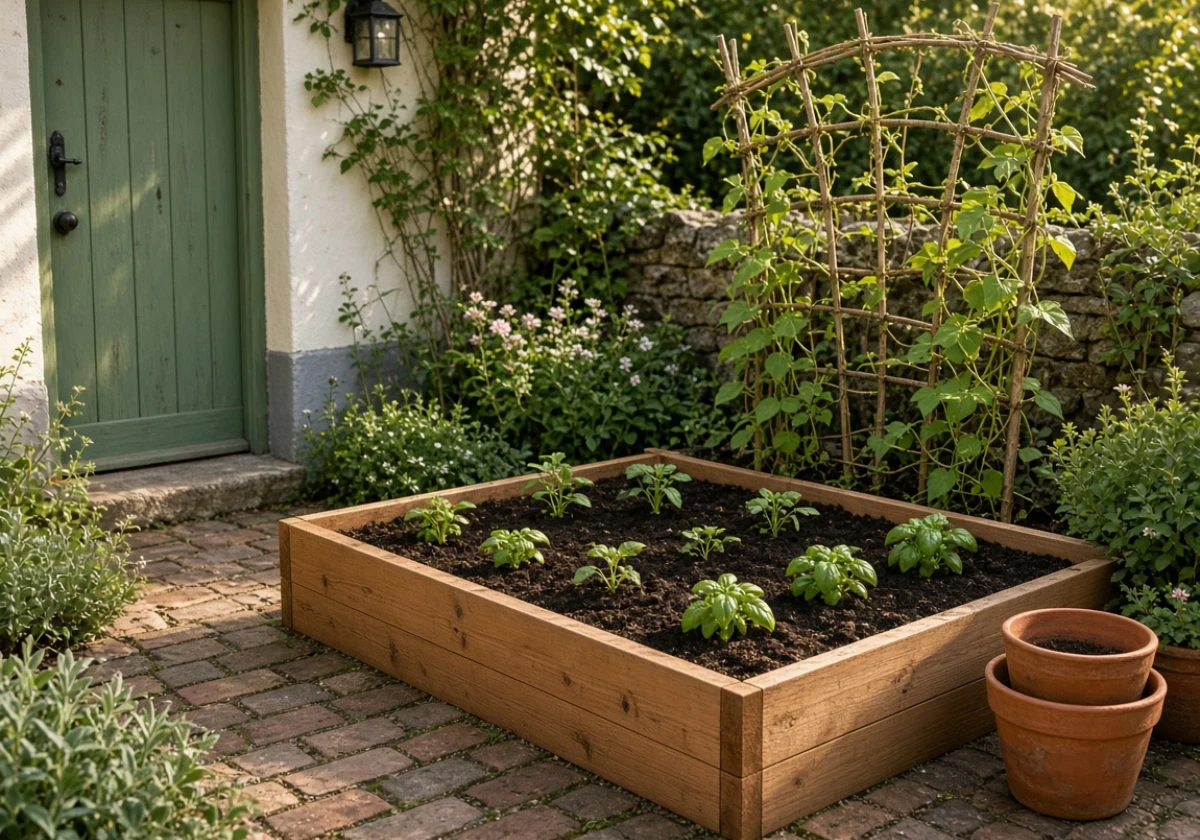
- Productive Kitchen Patch: Build raised beds a few steps from the kitchen, and dinner will come off them most weeks. Seed packets cost little, so testing a new crop in your veggie patch is cheap. In return, edible beds need picking and watering several times a week.
- Entertaining Garden: Start with one flat, shaded area for the table, and plan every other choice around it. Trees or a pergola do the cooling work, and soft lighting stretches the evening well past sunset. The cost is setup, since a pergola or mature shade takes money and time to put in place.
Before choosing a style, be realistic about how much time you’ll spend on maintenance. A garden style you’ll keep up with will serve you better than one you abandon after the first hot summer.
Plant Selection: Matching Plants to the Feeling You Want
Choose plants that reward you with scent, colour, and harvests where you spend the most time. Also, use the areas you’ve already planned to decide where scented, flowering, and edible plants belong.
Scent gives you plenty of return for little effort. Most people walk the same path every day, so plant rosemary and basil along it. You’ll brush past them on the way out and catch the smell without trying.
Colour asks you to think in months. Planting calendars help here because they show when each plant flowers. Mix annuals for quick blooms with perennials that hold structure, and something will flower most of the year (calendula fills awkward gaps fast).
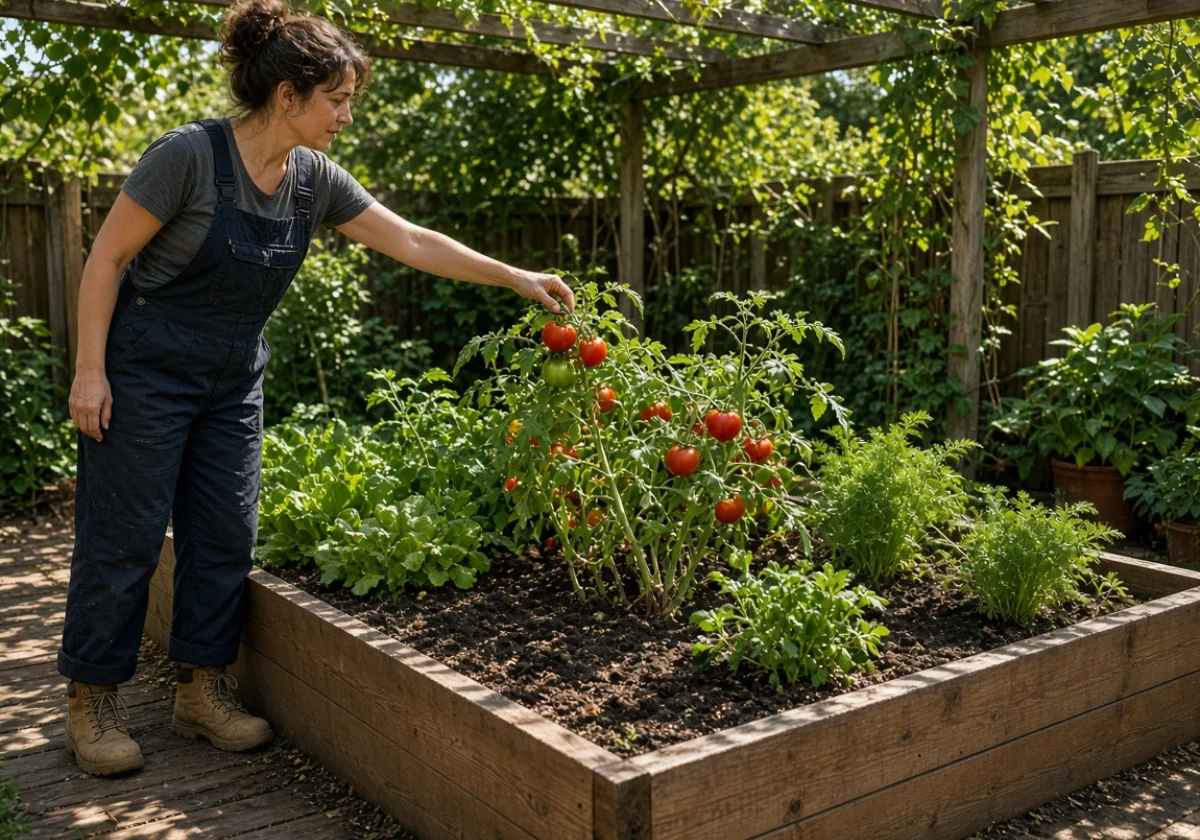
Beyond scent and colour, growing food gives the plan a practical payoff. We’ve found a well-fed bed of herbs and salad out-produces a hungry one. Dig compost into the soil before planting starts, and top it up each season.
Finally, leave room for one tree that’ll outlive the rest of the plan. A single shade tree can cool a seat, a bed, and a path through summer.
Bed Layouts for the Outdoor Experiences You Want Most
With your design and plants settled, the last step in planning your garden design is a garden layout that supports each experience. Depth and width decide what grows and how easily you reach it.
Match the experience you want most to the bed type below.
| Experience you want | Bed type | Why it works |
|---|---|---|
| Morning coffee | Raised herb bed near seating | Herbs sit at nose height beside the path |
| Family meals | Wide planted border near dining | Trees and shrubs screen the table |
| Weekly harvest | 1.2 m squares | You reach the centre without stepping on soil. |
For beds against a fence, aim for about 60 cm in width. Beds accessible from both sides can be around 1.2 m wide. Sketch the layout in a free garden planner or on paper, and your garden plan will show the job each bed does.
Where Your Garden Ideas Start Growing
Your next step is small enough to do this weekend. Walk the space with a pencil and note where you already sit, eat, or pick herbs. Those spots are your anchors, so mark them first on a rough plan. Then build each bed outwards from them in the order you’ll use it. Simple garden plans like this are easy to change later.
Before planting, give those beds a healthy base. Peninsula Compost supplies compost that gives new garden beds a strong foundation. Contact the team to work out what your beds need, and every plant you choose will go in on good soil.