Picking outdoor furniture sounds simple until you’re standing in a showroom surrounded by a hundred different styles. That’s when most mistakes happen. You grab something that looks great, take it home, and six months later you’re regretting the choice.
Don’t let that be you. Your outdoor space deserves furniture that looks good on your patio, survives coastal humidity and summer sun, and doesn’t fall apart after one season. Sounds hard to find? Not really.
We’ll show you exactly how to do this in this guide, so stick with us. You’ll learn about materials that handle Australian conditions, seating styles that match real life, and practical choices that won’t let you down. Let’s see what makes outdoor furniture worth buying.
Start With Your Outdoor Space and How You’ll Use It
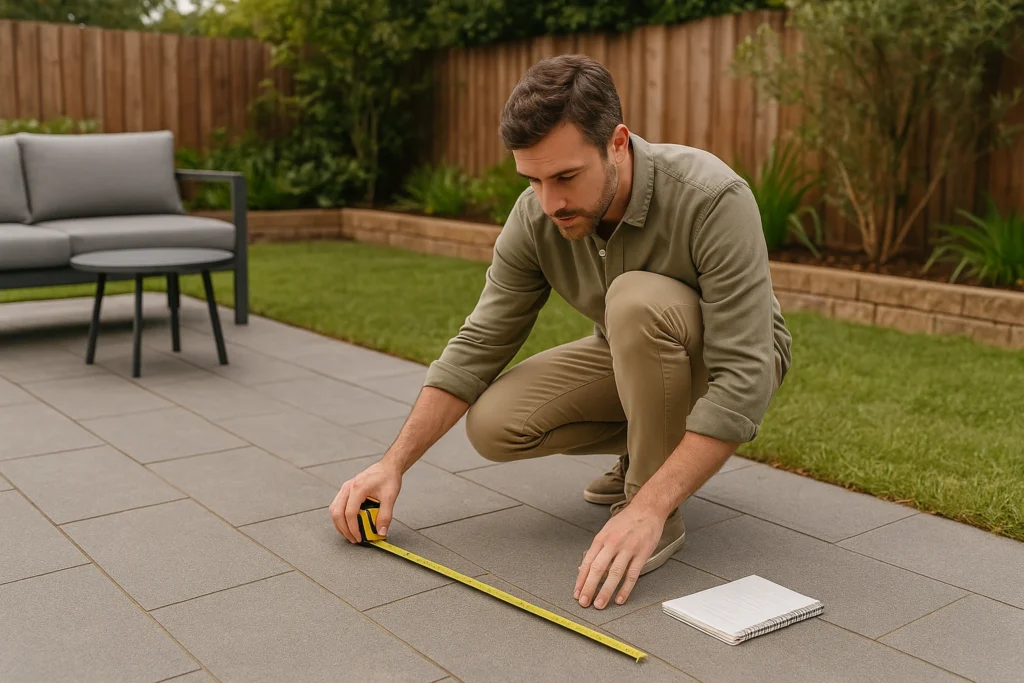
One of the biggest mistakes you can make is buying outdoor furniture without understanding what your space can handle.
For example, you see a beautiful six-seater dining set at the shop and imagine it on your patio. It’s perfect, so you buy it. But when it arrives, suddenly you realise it’s way too large, and you can’t move around it comfortably.
That’s why you need to measure your outdoor area dimensions before buying anything. Then think about how you’ll actually use the area. Will it be for daily outdoor dining with the family? Weekend entertaining with mates? Or just quiet outdoor relaxation with a book? Once you know the primary function, picking furniture becomes much easier.
Don’t forget about traffic flow patterns either. When you set up the furniture, leave at least 90 centimetres between each piece and the walls so people can move naturally through the space.
Frame Materials That Survive Australian Weather
Outdoor furniture materials decide how long your pieces actually last. If you pick the wrong frame, it won’t make it past a couple of seasons. This is especially true in Australia, where the sun doesn’t mess around, and the weather can change like a toddler’s mood.
To handle these harsh conditions, the frame options that usually perform best are aluminium, timber, and synthetic wicker.
Aluminium Frames
Aluminium doesn’t rust and is highly resistant to corrosion and wear, which makes it perfect for areas like Queensland or the Gold Coast. It’s also light enough to move around easily without worrying about moderate winds.
Plus, most aluminium frames come with powder-coated finishes that protect against UV fading. This keeps colours looking vibrant through harsh summer sun instead of being washed out after a season.
The best part? You don’t need constant maintenance. Just a few wipes now and then, and it will keep looking great for years.
Timber Options

Ever noticed how some timber furniture looks worn after just one winter, while others age beautifully? That comes down to the timber you choose.
Teak is a bit on the expensive side, but it’s the best when it comes to practicality and durability. Its natural oil repels water and resists rot, so maintenance is minimal, and it can last for decades.
For a budget-friendly alternative, eucalyptus offers similar durability, though you’ll need to oil it each year to keep it protected.
The timber to avoid completely? Softwoods like pine, which absorb moisture and crack in humid conditions. On the Mornington Peninsula, we’ve seen pine outdoor sets fall apart after just two wet seasons.
Resin Wicker and Rattan
Resin wicker costs more upfront but saves you from replacing natural rattan furniture every few years. The difference becomes obvious once they’re exposed to weather.
Resin wicker mimics natural rattan’s look but withstands rain and UV without cracking or fading. Natural rattan, on the other hand, works beautifully in covered areas like verandahs, but put it outside in the open and it won’t last. The fibres break down quickly under the sun and rain.
Which Seating Style Fits Your Outdoor Area?
Your seating choice depends on balancing maintenance effort with the level of comfort you’re after. Do you want furniture you can leave outside year-round? Or maybe something luxurious that needs a bit more care? Whichever you prefer, these three styles cover most outdoor living needs:
- Sling-Style Chairs: Mesh fabric drains water instantly and dries within minutes after rain showers. Perfect for poolside lounging or coastal areas where furniture gets wet regularly.
- Cushioned Lounges: If you want plush comfort that makes you relax for hours, this is it. The trade-off is that storage becomes necessary during wet seasons unless you invest in quick-dry foam. (We’ve all done the midnight cushion rescue.)
- Cushion-Free Designs: Don’t want to deal with any fabric maintenance? Go for solid timber benches or moulded plastic chairs that still give you adequate comfort for dining.
At the end of the day, your furniture should fit your routine, rain or shine.
Outdoor Dining Tables Built for Entertaining

A good outdoor dining table handles red wine spills and summer storms without falling apart. The material you pick affects both how meals feel and how much maintenance you’ll deal with afterwards.
Let’s start with the low-maintenance options. Ceramic or glass tabletops resist staining and wipe clean easily after meals. The trade-off? They show every fingerprint and water spot, so you’ll be cleaning more often than you’d like.
If you want that natural timber look instead, wooden tables age beautifully over time. They do need regular sealing to prevent water rings and weathering, though. We’ve seen timber tables that get sealed annually still look fantastic a decade later.
For the absolute lowest maintenance, metal or aluminium tables are hard to beat. They don’t stain, won’t rot, and handle years of use without much fuss. If you’d rather spend time cooking than maintaining furniture, metal wins.
Cushions and Fabrics That Actually Dry
How long does it take your cushions to dry after rain? Days or hours? The fabric and foam you choose determine whether you’re waiting twenty minutes or three days. That’s because cheap materials soak up water like a sponge, while quality options are designed to shed moisture fast.
Solution-dyed acrylic fabrics like Sunbrella work best because they resist UV fading and repel moisture better than standard outdoor materials. They keep their colour vibrant through harsh summer sun instead of turning pale and washed out after one season.
What’s inside your cushions is just as important as the cover. Look for quick-dry foam that drains water rather than absorbing it, which cuts drying time from days to hours. This is not even the best part. The foam uses an open-cell structure that lets water pass straight through, so your cushions aren’t soggy for days after a storm.
Heavy Furniture vs Light Furniture
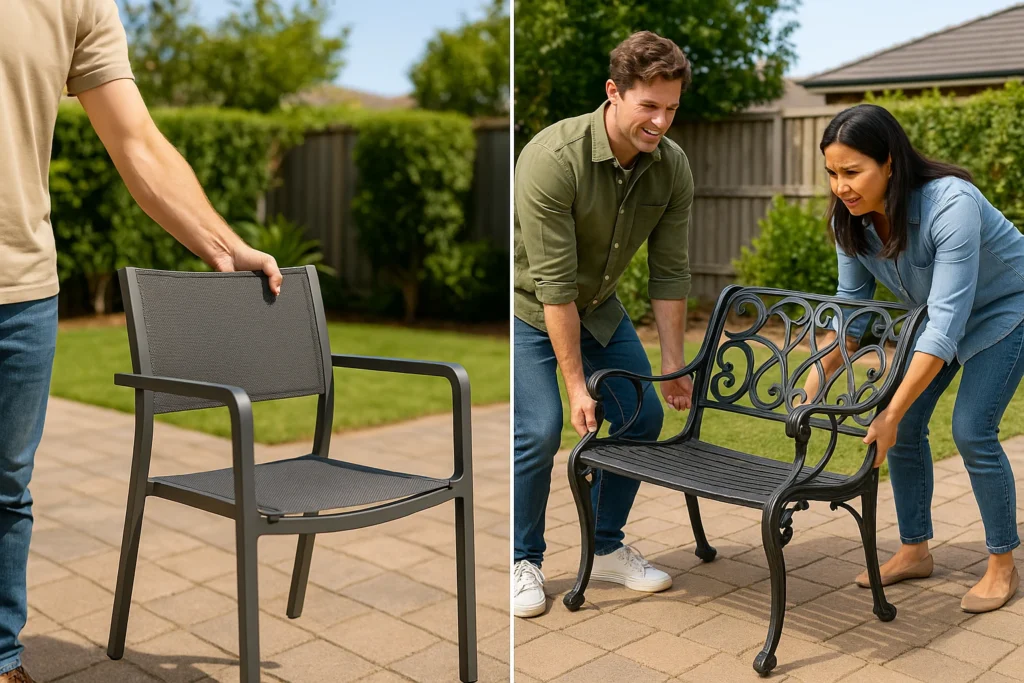
Furniture weight depends on your wind exposure and whether you need to move pieces regularly. So what’s the actual difference in real life? Let’s take a quick look at the table below.
| Heavy Furniture | Light Furniture |
| Cast iron, solid wooden pieces, thick metal frames | Aluminium, resin, plastic materials |
| Stays grounded during strong winds without anchoring | Easy to move for cleaning or rearranging |
| Better for exposed decks, pool areas, and open patios | Better for covered spaces or when frequent moving is needed |
| Harder to reposition or store seasonally | Needs securing in high winds or blows away |
Heavier pieces like cast iron or solid timber work well for exposed areas because they won’t budge in a storm. The downside is you’re committed to where you put them, since moving a cast iron table, even a metre, is a two-person job.
If you need more flexibility, lightweight aluminium or resin moves easily when you need to clean underneath or rearrange your layout. The trade-off is that in open, windy spots, you’ll be chasing furniture across the yard or anchoring everything down.
Pick based on whether you value stability or flexibility more.
Build an Outdoor Living Space You’ll Actually Use
Your outdoor furniture choices don’t have to be complicated. Pick materials that handle Australian weather, seating that fits your maintenance tolerance, and tables that suit how you actually entertain. When you get those basics right, your outdoor space becomes somewhere you use daily instead of just admiring from inside.
By now, you already know the essentials. Start with one solid piece that fits how you live, then add the rest over time.
And if you ever feel stuck, just revisit the tips we covered. They’re easy to apply regardless of your space or style. Or swing by Peninsula Compost when you want a second opinion on materials.