Category Archives: Outdoor Space

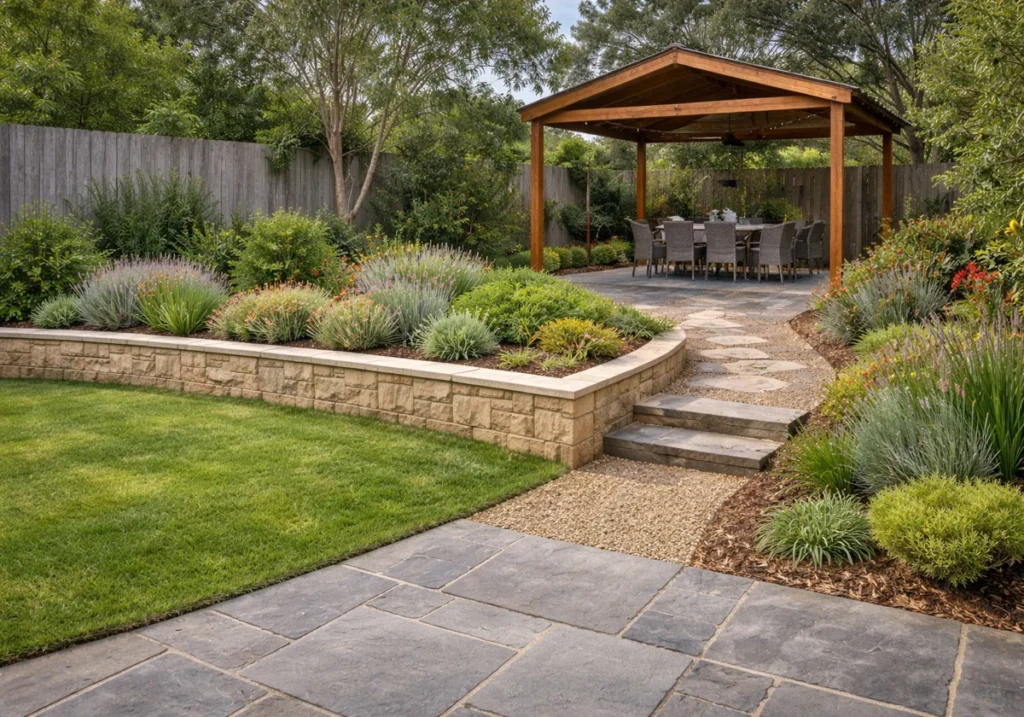
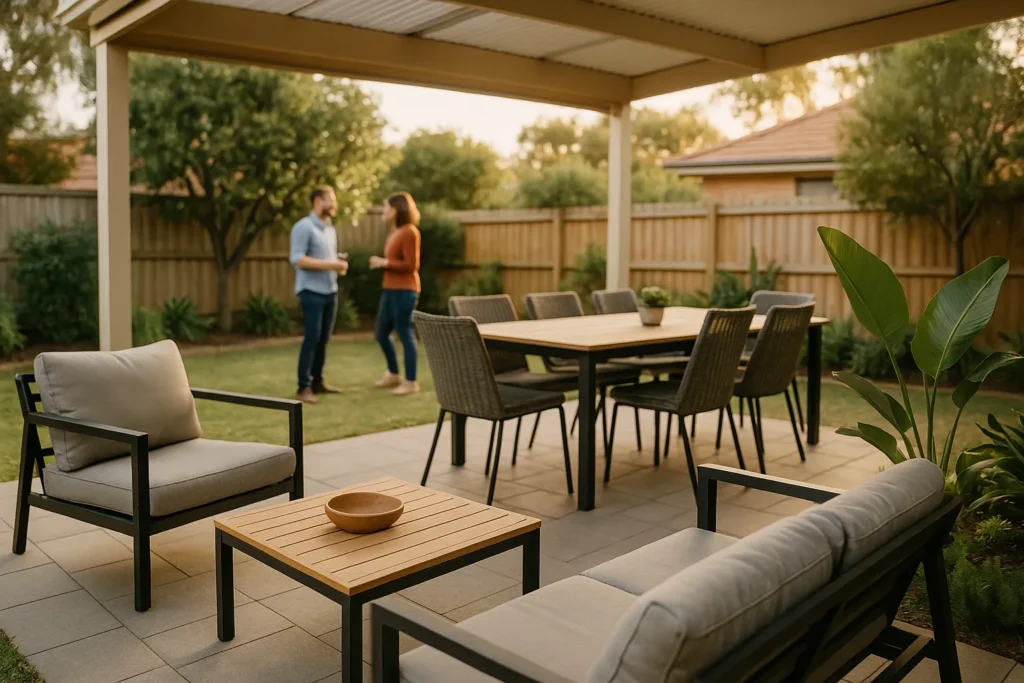
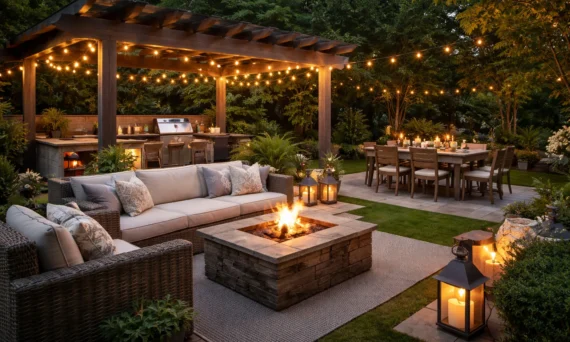
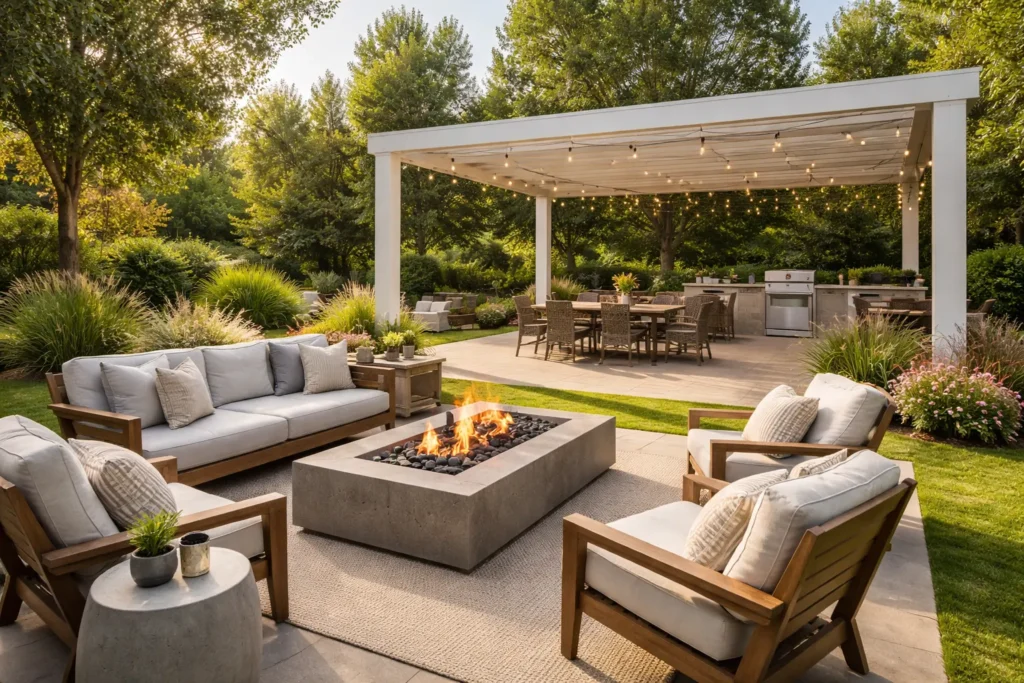
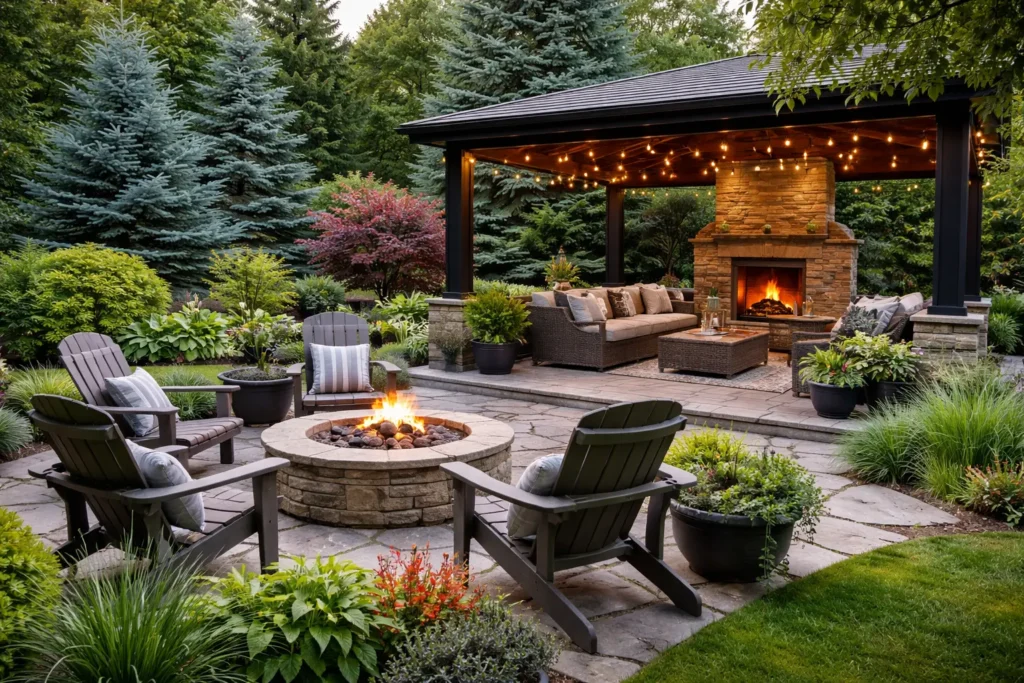
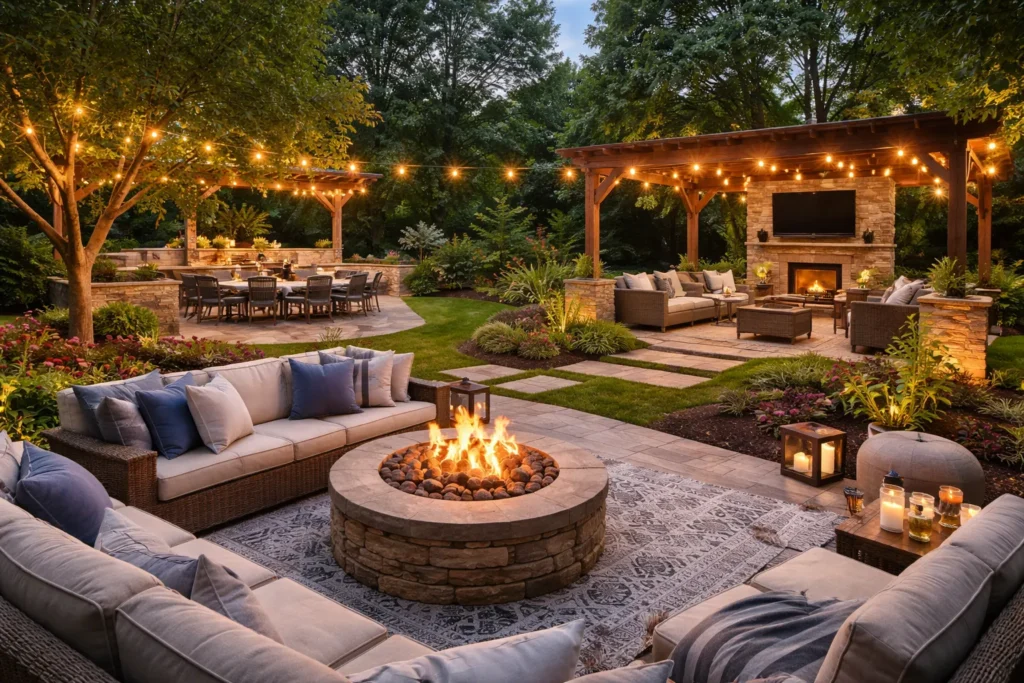
Outdoor entertainment area

How to Design an Outdoor Space People Actually Want to Use

You can make your outdoor space more inviting by arranging furniture for conversation, adding lighting, and including features people enjoy. Sounds like a lot of work?

Here’s the good news: you don’t need a complete renovation. A few strategic tweaks to your layout and furniture placement typically resolve the issue. And we know exactly which tweaks work.

At Peninsula Compost, we’ve helped dozens of Australian families turn their rarely-used outdoor spaces into everyday favourites. In this guide, you’ll learn the arrangement tricks, lighting setups, and small features that actually pull people outside.

Let’s begin with getting your furniture placement right.

How to Arrange Furniture for People to Sit Down

How to arrange furniture for people to sit down

Arrange your furniture to create small conversation zones where people face each other, not walls. Three simple adjustments help with that.

Turn Your Barbecue Around

Right now, your cook probably stands at the grill with their back to everyone, trying to have conversations over their shoulder. Nobody wants to chat with someone’s back for an hour.

The solution? Just flip it around and position your outdoor kitchen so the cook faces toward the seating area. This helps them feel part of the group without smoke drifting into everyone’s faces.

Arrange Seating That Faces Inward

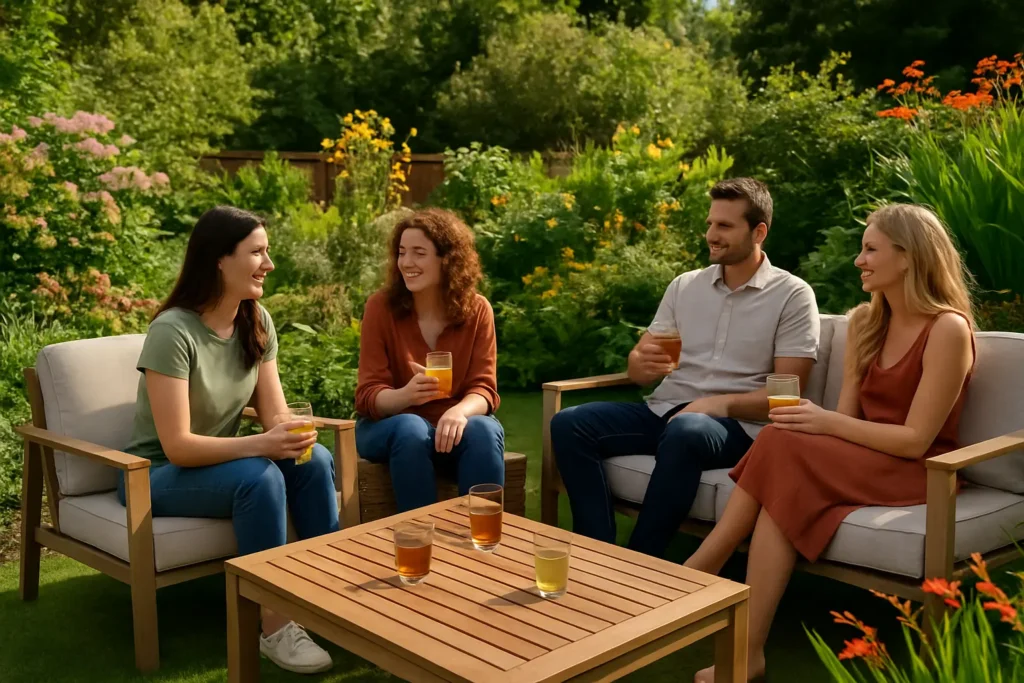
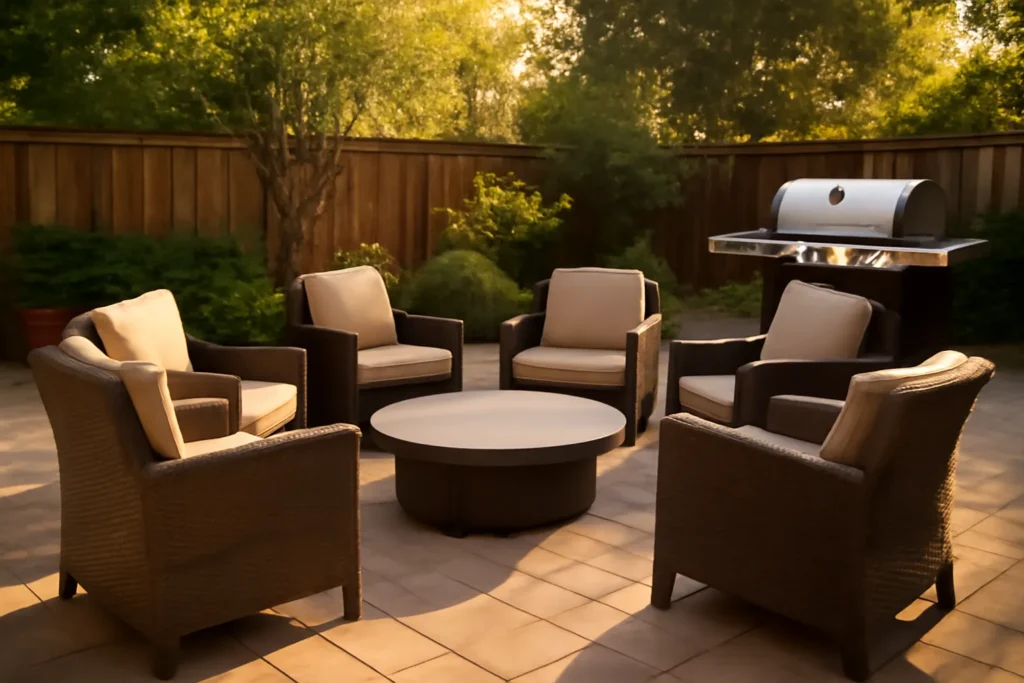
Chairs and lounges work best in a circle or U-shape. This creates a natural conversation space where everyone can actually see each other and talk without shouting across the deck.

Also, mix in some built-in seating with movable chairs if you can. That way, you’ve got flexibility for different group sizes.

Create Clear Pathways Between Zones

People need obvious walkways between cooking, dining, and lounging areas. Without it, guests end up doing an obstacle course with plates and drinks. And when furniture’s crammed edge-to-edge, your outdoor area feels tight and people drift back inside.

Don’t forget about the entry point, either. The pathway from your house door to the seating area should be straightforward, too.

Bottom line: make the journey easy, and people will actually use the space.

How to Light Your Outdoor Space So People Stay After Dark

How to light your outdoor space so people stay after dark

Your outdoor area needs three different types of light working together, including ambient lighting, task lighting, and accent lighting. Lighting also affects how people feel in the space. According to the US Department of Energy, proper outdoor lighting affects sleep quality and well-being.

So let’s get this right.

Layer Your Lighting at Three Heights

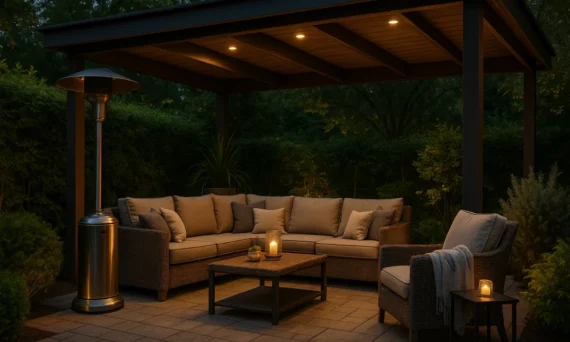
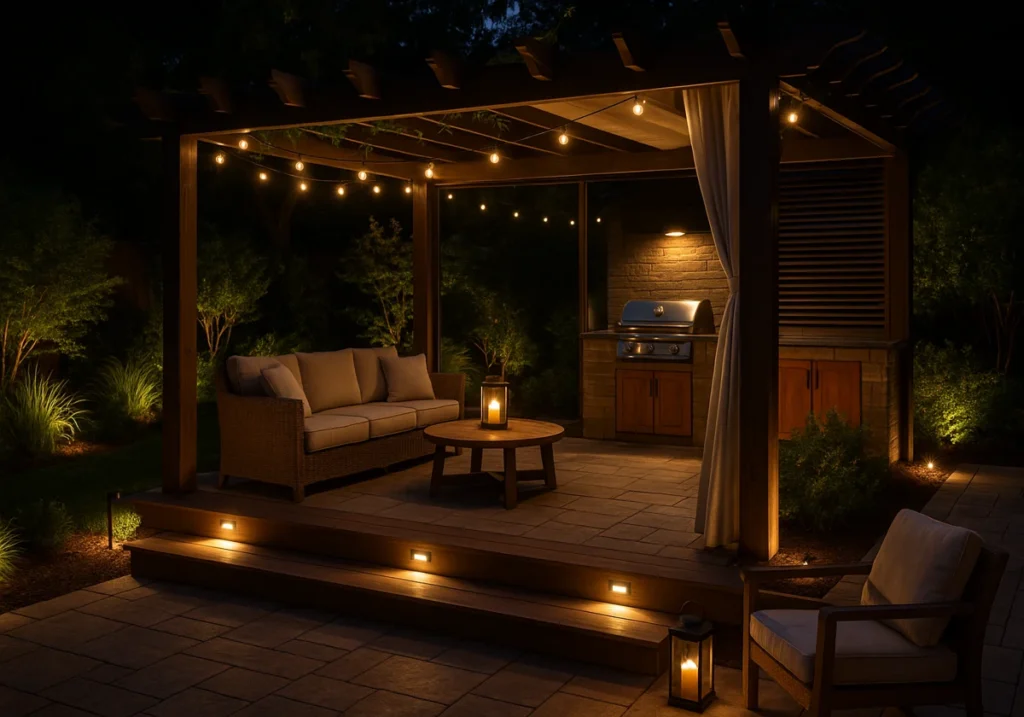
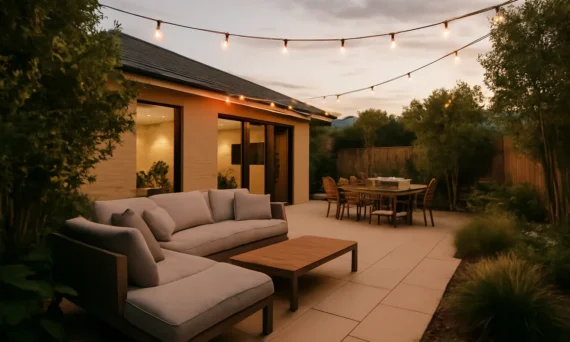
String lights overhead are your starting point. They create a warm ambience without harsh glare, turning your patio into somewhere cosy instead of clinical.
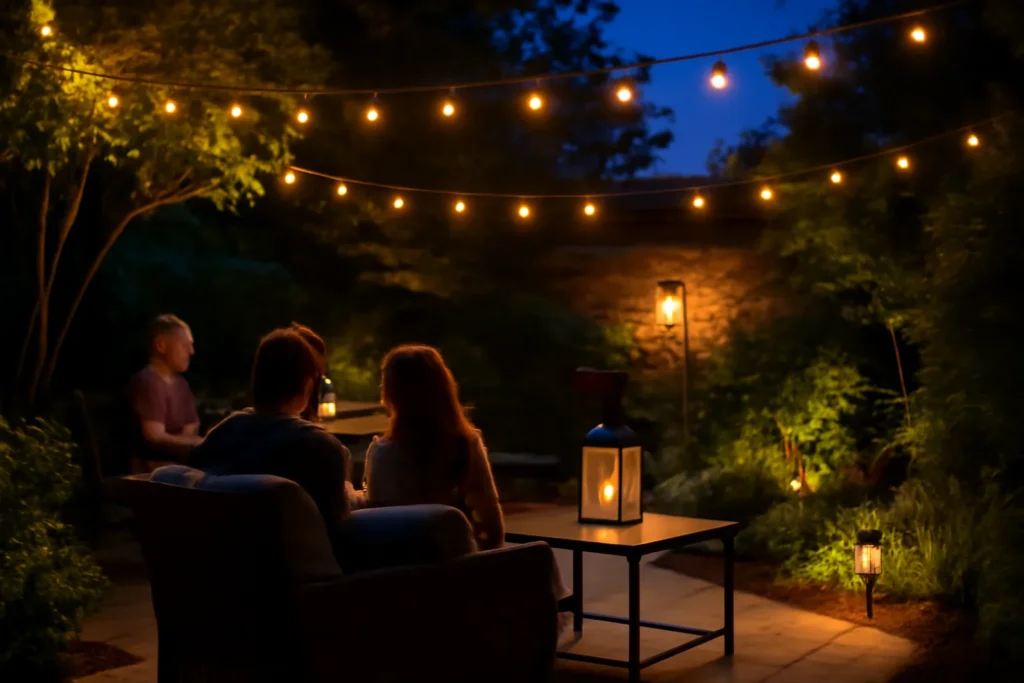
Next, add task lighting at eye level. Lanterns on tables or walls give people enough light to eat and chat comfortably. The trick? Position them so they light faces without shining directly into anyone’s eyes.

Low garden lights at ground level finish the look. So place them near plants or along garden edges. Suddenly, your outdoor space has a subtle resort-like vibe, with depth and shadow that feels inviting.

Light the Path from Door to Seating

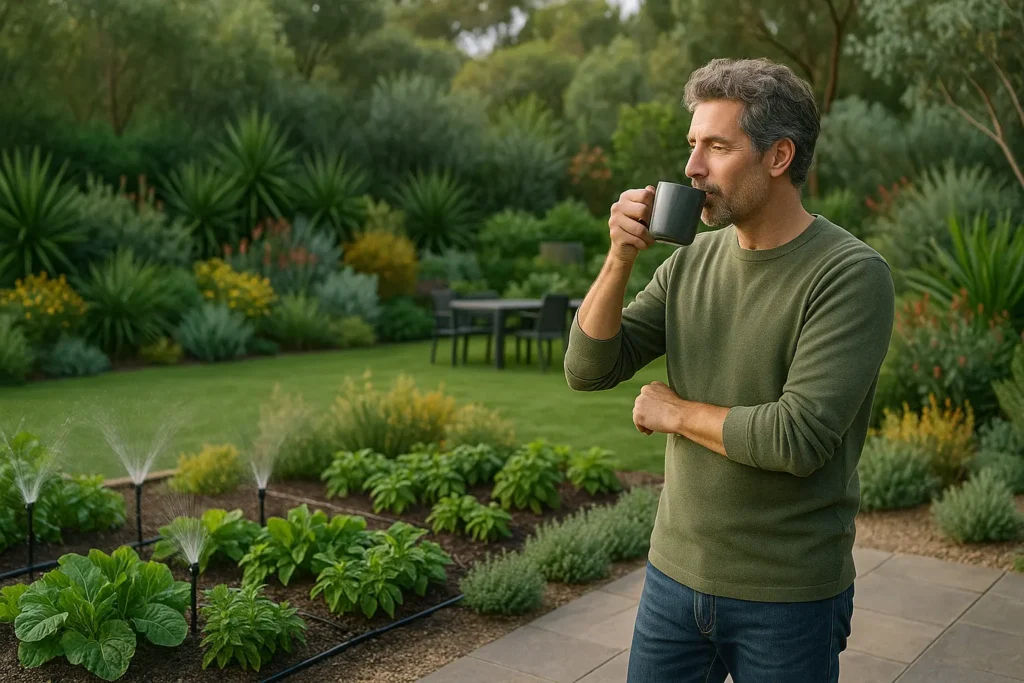
Beyond the main entertaining area, you need to think about the journey outside. That hesitation when it’s dark and you can’t quite see where you’re stepping? Solar path lights along the walkway solve this. They turn evening trips outside into something that feels safe and inviting.

Steps and level changes are trip hazards waiting to happen, especially after a few drinks at a gathering. So these spots need clear illumination.

Now, what about bulb colour? Outdoor lighting affects your melatonin levels and sleep quality, so it’s an important factor to consider. Warm white creates a welcoming glow that’s easier on your circadian rhythm. Cool white, on the other hand, feels like you’re sitting in a hospital waiting room (nobody’s idea of a relaxing Saturday evening).

Once you’ve got lighting sorted, the next challenge is making sure the Australian sun doesn’t drive everyone back indoors.

Year-Round Shade That Actually Works

Year-round shade that actually works

The right shelter keeps your space usable all year, regardless of the weather conditions. Here are four options that work well, depending on your budget and setup.

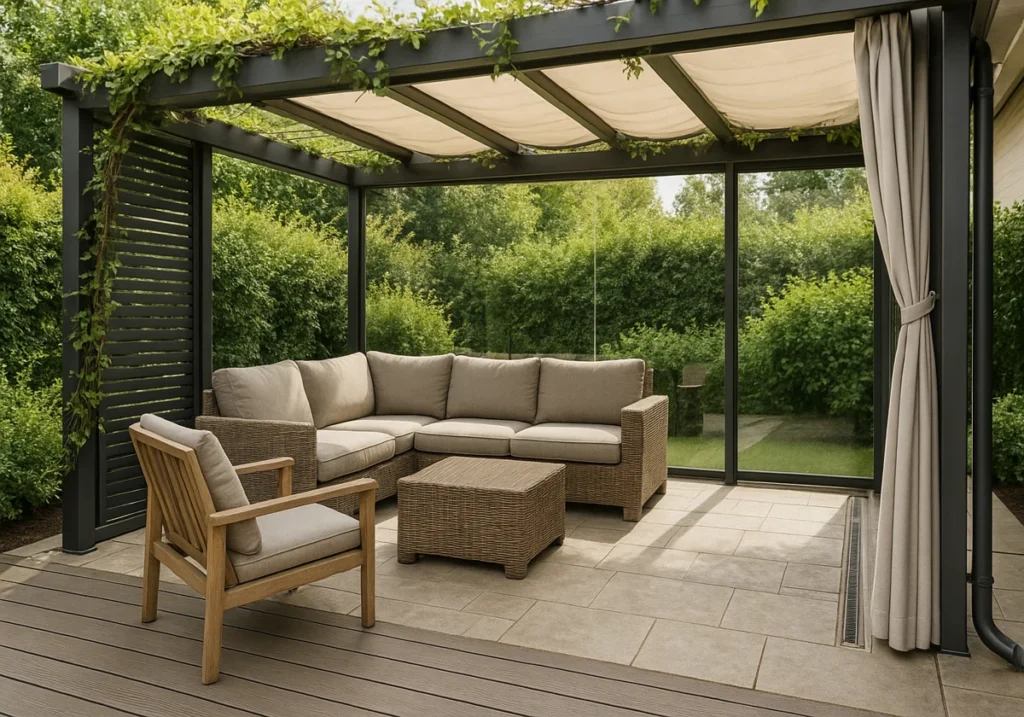
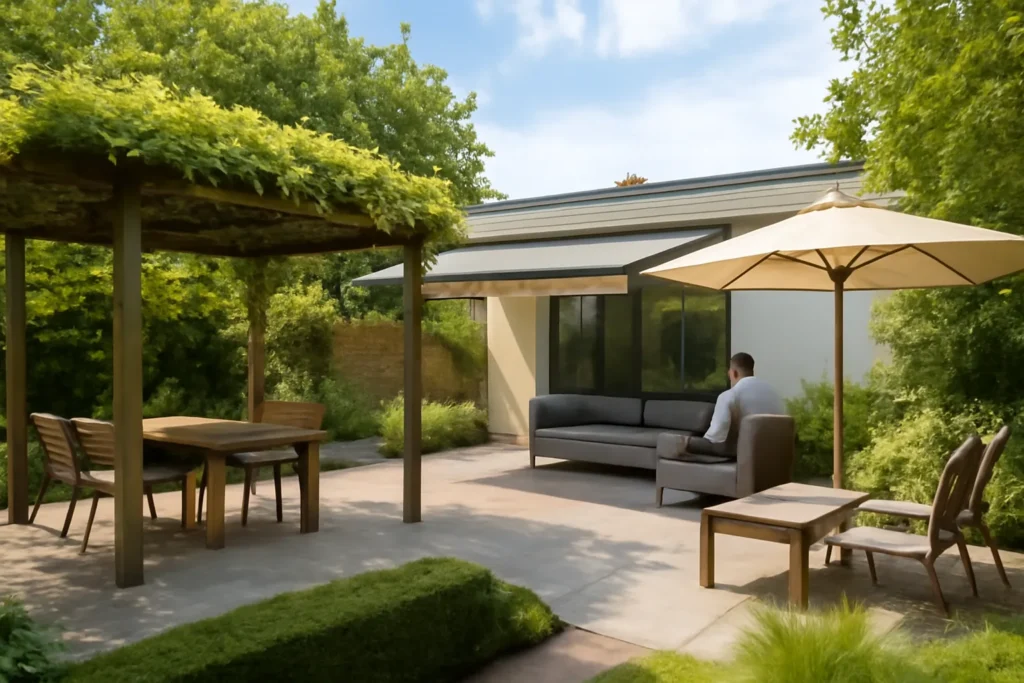
  • Pergola with Climbing Plants: Perfect if you’re looking into the future. It takes 1-2 years before those vines create proper shade, but once they do? You’ve basically grown your own living roof that looks better every year. The plants adapt to local conditions and create beautiful dappled shade that changes with each season.
  • Retractable Awning: Instant coverage when you need it, adjustable for different weather. The upfront cost runs higher, but you get versatility. Extend it during summer heat and retract it in winter when you want the sun to warm the patio.
  • Large Market Umbrella: Budget-friendly and immediate. Provides shade you can move between different zones as the sun shifts. Just make sure you’ve got a secure heavy base (Australian wind will turn that thing into a sail otherwise).
  • Shade Sail: Clean, modern look that blocks up to 95% of UV rays. The only downside? It needs proper anchor points and professional installation. But once it’s up, you’ve got cost-effective shade that suits contemporary gardens particularly well.

Each option has trade-offs between cost, flexibility, and permanence. So choose based on how much sun your garden gets and whether you prefer something that blends into the planting or makes a statement.
The Missing Elements in Under-Used Patios

Most patios stay empty because they are missing simple, practical features like garden beds, a focal point, storage, and side tables. Let’s take a look at how each one can make your outdoor space more inviting.
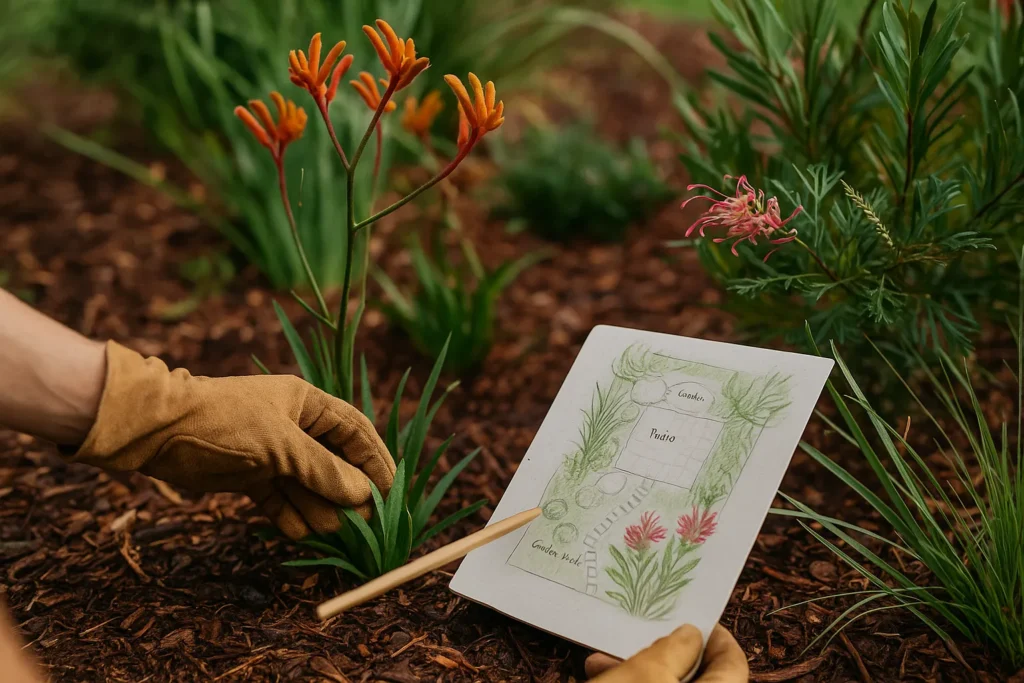
Plant Herb and Vegetable Garden Beds

Plant herb and vegetable garden beds

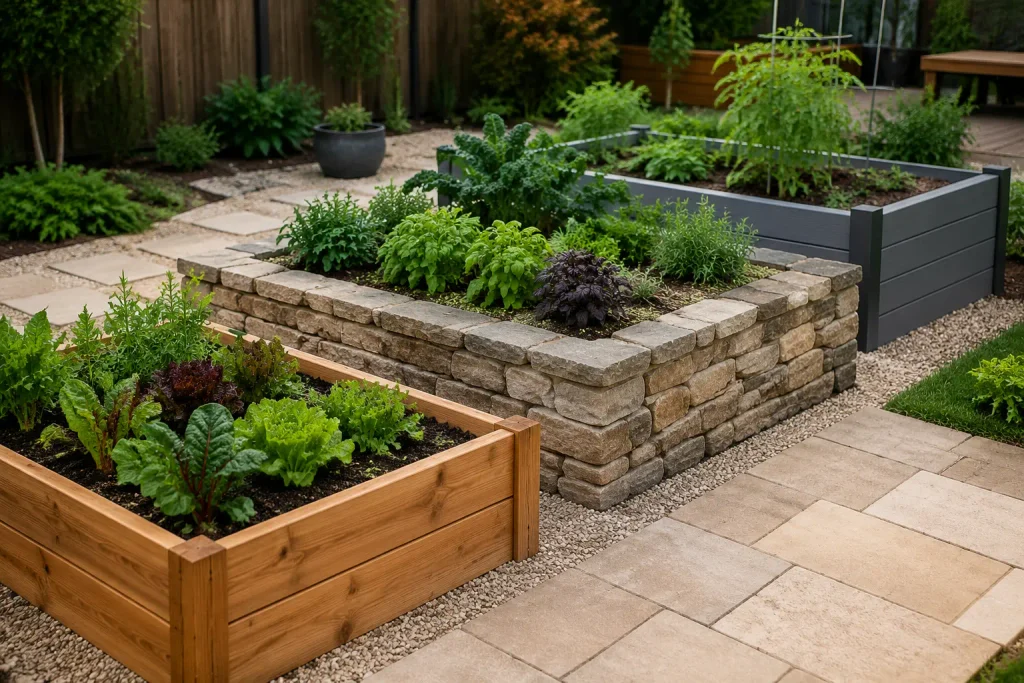
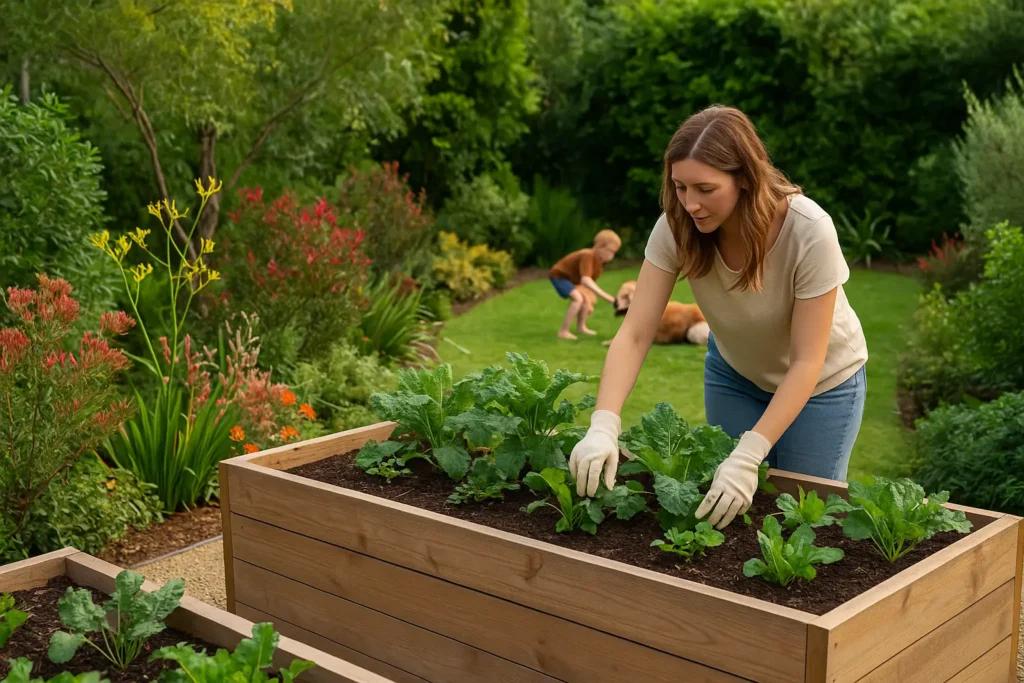
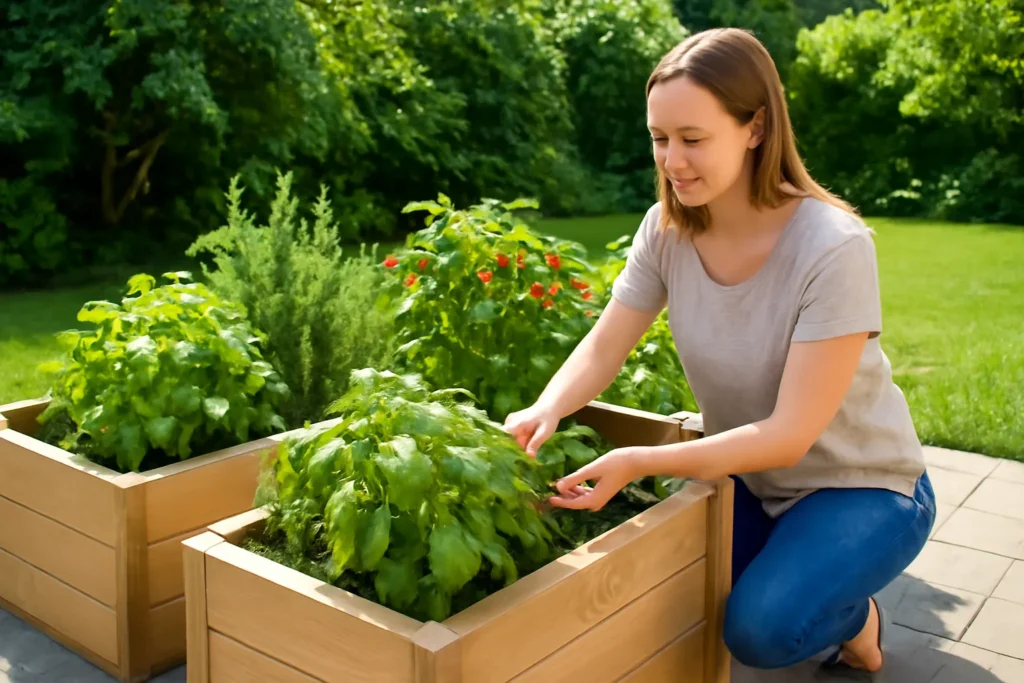
Edible gardens give you a genuine reason to step outside daily. Fresh rosemary, basil, or cherry tomatoes are right there when you’re cooking dinner.

Raised garden beds frame your patio while providing fresh food just steps from where you cook. The height makes maintenance easier, too. Even a small productive garden creates a living focal point that changes with each season.

Here’s the thing: herb gardens get used daily. Expensive water features mostly collect leaves.

Add One Standout Focal Point

A single beautiful feature draws the eye and gives your patio real personality. Think water fountain, fire pit, or sculpture. These features each bring something unique to your space.

For example, a fire pit gives people a place to gather on cooler evenings. A fountain adds soothing background sound and makes the area feel more private.

It’s important to position your focal point where it is visible from indoor living areas. That way, your patio naturally tempts you to step outside throughout the day.

Include Quick-Access Storage for Cushions

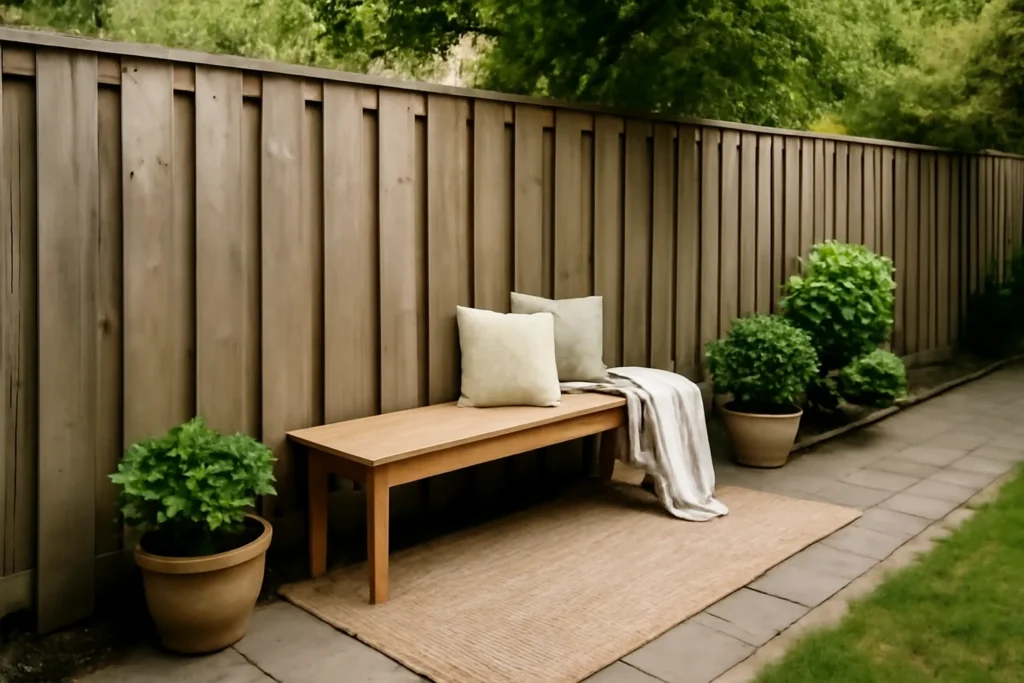
You know how cushions always end up stuck in the garage under camping gear? Weatherproof storage benches near seating mean cushions come out easily. And if getting cushions out takes ages, they’re not coming out.

Built-in deck boxes can double as extra seating while storing throws, pillows, and outdoor games. When cushions take 30 seconds to retrieve instead of a major expedition, people use the area spontaneously. That’s the difference between “let’s sit outside” and “eh, too much hassle.”

Position Side Tables in Your Seating Area

We’ve all had that awkward moment when everyone is juggling drinks and phones with nowhere to put them down. Well, side tables within easy reach make it simple for everyone to relax and enjoy the space.

Without convenient surfaces nearby, guests either hold everything uncomfortably or give up and head back inside, where there are proper tables. You don’t even need expensive furniture for this to work, budget options from hardware stores do the job fine.

What Actually Changed in These Real Backyards

What actually changed in these real backyards

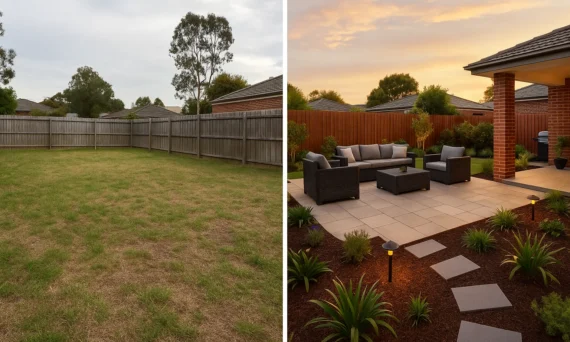
Planning ideas is one thing, but seeing them in action is another. When Australian families added these simple features to their patios, the results spoke for themselves.

Example 1: One family in Frankston had a beautiful setup that nobody used. The cook always faced away from everyone at the barbecue, isolated from the group.

The fix: We moved their barbecue just a couple of metres and repositioned four chairs into a conversation circle. Suddenly, they were using the patio three times weekly instead of once a month.

And the total investment? Moving furniture that they already owned. No major garden redesign, no expensive purchases.

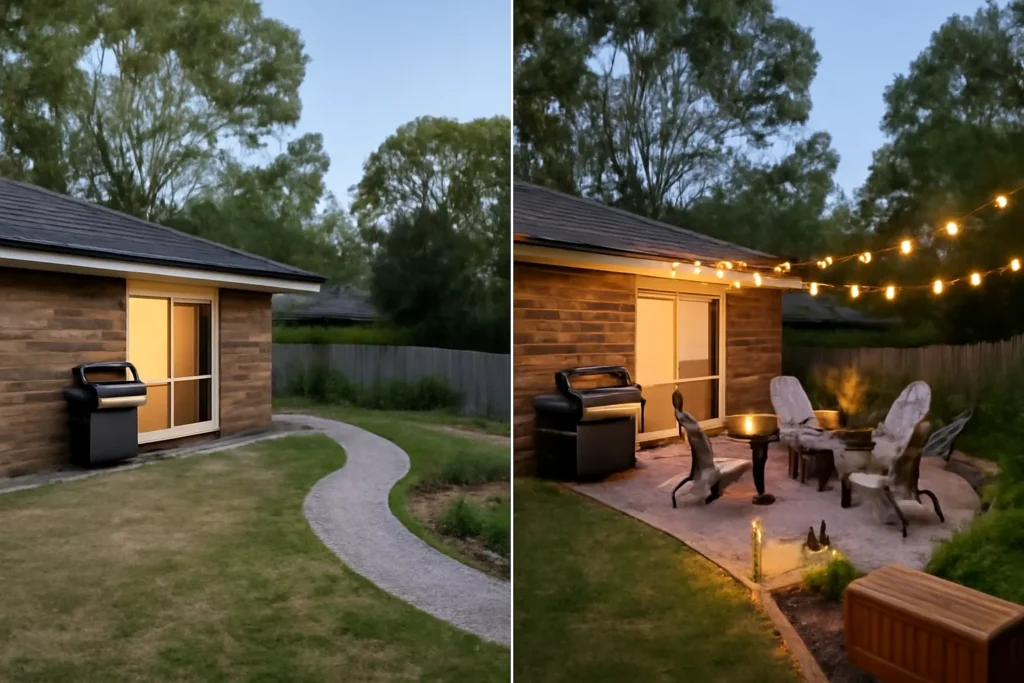
Example 2: Another family’s area sat completely empty after sunset because it was too dark. Adding string lights overhead and pathway lighting along the walkway from their back door cost under $200.

Now they host regular Friday night gatherings, and neighbours have started coming over. The owner later said he wished they’d done it years ago.

Example 3: A third project involved a deck that looked nice in photos but gave people no reason to visit. Installing a weatherproof storage bench made cushions easily accessible, and a small herb garden near the outdoor kitchen gave them something to tend daily.

The deck went from rarely-used to the family’s favourite breakfast spot every weekend morning. She’s out there daily now, growing tomatoes, basil, and mint.

None of these involved major construction, just simple layout adjustments and giving people a reason to go outside.

Getting Your Outdoor Space Actually Used

Your outdoor area should work as hard as your indoor living spaces. When the layout encourages conversation, the lighting feels welcoming, and there’s something worth visiting, people naturally spend time outside.

You now know how to arrange furniture for conversation, install lighting that works after dark, add weather protection for year-round use, and include features that pull people outside daily. Start with one or two changes and build from there.

Want help turning your unused outdoor area into a space you’ll actually use? Peninsula Compost has been transforming Australian outdoor spaces since 2002. Get in touch to get started.

outdoor furniture choices

How to Pick the Right Outdoor Furniture for Real-Life Use

Picking outdoor furniture sounds simple until you’re standing in a showroom surrounded by a hundred different styles. That’s when most mistakes happen. You grab something that looks great, take it home, and six months later you’re regretting the choice.

Don’t let that be you. Your outdoor space deserves furniture that looks good on your patio, survives coastal humidity and summer sun, and doesn’t fall apart after one season. Sounds hard to find? Not really.

We’ll show you exactly how to do this in this guide, so stick with us. You’ll learn about materials that handle Australian conditions, seating styles that match real life, and practical choices that won’t let you down. Let’s see what makes outdoor furniture worth buying.

Start With Your Outdoor Space and How You’ll Use It

Start With Your Outdoor Space and How You'll Use It

One of the biggest mistakes you can make is buying outdoor furniture without understanding what your space can handle.

For example, you see a beautiful six-seater dining set at the shop and imagine it on your patio. It’s perfect, so you buy it. But when it arrives, suddenly you realise it’s way too large, and you can’t move around it comfortably.

That’s why you need to measure your outdoor area dimensions before buying anything. Then think about how you’ll actually use the area. Will it be for daily outdoor dining with the family? Weekend entertaining with mates? Or just quiet outdoor relaxation with a book? Once you know the primary function, picking furniture becomes much easier.

Don’t forget about traffic flow patterns either. When you set up the furniture, leave at least 90 centimetres between each piece and the walls so people can move naturally through the space.

Frame Materials That Survive Australian Weather

Outdoor furniture materials decide how long your pieces actually last. If you pick the wrong frame, it won’t make it past a couple of seasons. This is especially true in Australia, where the sun doesn’t mess around, and the weather can change like a toddler’s mood.

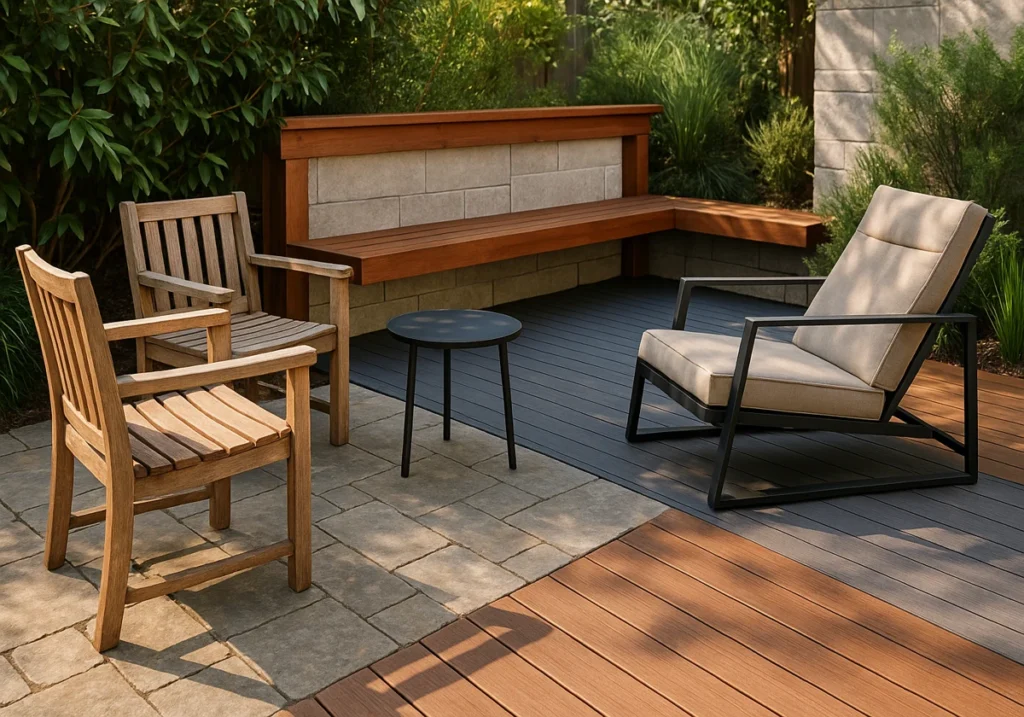
To handle these harsh conditions, the frame options that usually perform best are aluminium, timber, and synthetic wicker.

Aluminium Frames

Aluminium doesn’t rust and is highly resistant to corrosion and wear, which makes it perfect for areas like Queensland or the Gold Coast. It’s also light enough to move around easily without worrying about moderate winds.

Plus, most aluminium frames come with powder-coated finishes that protect against UV fading. This keeps colours looking vibrant through harsh summer sun instead of being washed out after a season.

The best part? You don’t need constant maintenance. Just a few wipes now and then, and it will keep looking great for years.

Timber Options

Timber Options

Ever noticed how some timber furniture looks worn after just one winter, while others age beautifully? That comes down to the timber you choose.

Teak is a bit on the expensive side, but it’s the best when it comes to practicality and durability. Its natural oil repels water and resists rot, so maintenance is minimal, and it can last for decades.

For a budget-friendly alternative, eucalyptus offers similar durability, though you’ll need to oil it each year to keep it protected.

The timber to avoid completely? Softwoods like pine, which absorb moisture and crack in humid conditions. On the Mornington Peninsula, we’ve seen pine outdoor sets fall apart after just two wet seasons.

Resin Wicker and Rattan

Resin wicker costs more upfront but saves you from replacing natural rattan furniture every few years. The difference becomes obvious once they’re exposed to weather.

Resin wicker mimics natural rattan’s look but withstands rain and UV without cracking or fading. Natural rattan, on the other hand, works beautifully in covered areas like verandahs, but put it outside in the open and it won’t last. The fibres break down quickly under the sun and rain.

Which Seating Style Fits Your Outdoor Area?

Your seating choice depends on balancing maintenance effort with the level of comfort you’re after. Do you want furniture you can leave outside year-round? Or maybe something luxurious that needs a bit more care? Whichever you prefer, these three styles cover most outdoor living needs:

  • Sling-Style Chairs: Mesh fabric drains water instantly and dries within minutes after rain showers. Perfect for poolside lounging or coastal areas where furniture gets wet regularly.
  • Cushioned Lounges: If you want plush comfort that makes you relax for hours, this is it. The trade-off is that storage becomes necessary during wet seasons unless you invest in quick-dry foam. (We’ve all done the midnight cushion rescue.)
  • Cushion-Free Designs: Don’t want to deal with any fabric maintenance? Go for solid timber benches or moulded plastic chairs that still give you adequate comfort for dining.

At the end of the day, your furniture should fit your routine, rain or shine.

Outdoor Dining Tables Built for Entertaining

Outdoor Dining Tables Built for Entertaining

A good outdoor dining table handles red wine spills and summer storms without falling apart. The material you pick affects both how meals feel and how much maintenance you’ll deal with afterwards.

Let’s start with the low-maintenance options. Ceramic or glass tabletops resist staining and wipe clean easily after meals. The trade-off? They show every fingerprint and water spot, so you’ll be cleaning more often than you’d like.

If you want that natural timber look instead, wooden tables age beautifully over time. They do need regular sealing to prevent water rings and weathering, though. We’ve seen timber tables that get sealed annually still look fantastic a decade later.

For the absolute lowest maintenance, metal or aluminium tables are hard to beat. They don’t stain, won’t rot, and handle years of use without much fuss. If you’d rather spend time cooking than maintaining furniture, metal wins.

Cushions and Fabrics That Actually Dry

How long does it take your cushions to dry after rain? Days or hours? The fabric and foam you choose determine whether you’re waiting twenty minutes or three days. That’s because cheap materials soak up water like a sponge, while quality options are designed to shed moisture fast.

Solution-dyed acrylic fabrics like Sunbrella work best because they resist UV fading and repel moisture better than standard outdoor materials. They keep their colour vibrant through harsh summer sun instead of turning pale and washed out after one season.

What’s inside your cushions is just as important as the cover. Look for quick-dry foam that drains water rather than absorbing it, which cuts drying time from days to hours. This is not even the best part. The foam uses an open-cell structure that lets water pass straight through, so your cushions aren’t soggy for days after a storm.

Heavy Furniture vs Light Furniture

Heavy Furniture vs Light Furniture

Furniture weight depends on your wind exposure and whether you need to move pieces regularly. So what’s the actual difference in real life? Let’s take a quick look at the table below.

Heavy Furniture Light Furniture 
Cast iron, solid wooden pieces, thick metal frames Aluminium, resin, plastic materials 
Stays grounded during strong winds without anchoring Easy to move for cleaning or rearranging
Better for exposed decks, pool areas, and open patios Better for covered spaces or when frequent moving is needed 
Harder to reposition or store seasonally Needs securing in high winds or blows away 

Heavier pieces like cast iron or solid timber work well for exposed areas because they won’t budge in a storm. The downside is you’re committed to where you put them, since moving a cast iron table, even a metre, is a two-person job.

If you need more flexibility, lightweight aluminium or resin moves easily when you need to clean underneath or rearrange your layout. The trade-off is that in open, windy spots, you’ll be chasing furniture across the yard or anchoring everything down.

Pick based on whether you value stability or flexibility more.

Build an Outdoor Living Space You’ll Actually Use

Your outdoor furniture choices don’t have to be complicated. Pick materials that handle Australian weather, seating that fits your maintenance tolerance, and tables that suit how you actually entertain. When you get those basics right, your outdoor space becomes somewhere you use daily instead of just admiring from inside.

By now, you already know the essentials. Start with one solid piece that fits how you live, then add the rest over time.

And if you ever feel stuck, just revisit the tips we covered. They’re easy to apply regardless of your space or style. Or swing by Peninsula Compost when you want a second opinion on materials.

small backyard ideas

Outdoor Spaces That Work Year-Round (Even in Small Backyards)

Your small backyard probably sits empty for half the year. Too hot or too cold, or just not organised nicely. This is the reason most people give up and plan indoors. When the weather shifts, they think their tiny outdoor space can’t handle it.

But, here’s the interesting thing: backyard size isn’t the problem until you know how to plan everything right.

With the right layout and a few seasonal tips, even a postage-stamp yard becomes usable all year. All you need to know is which features actually work in tight spaces and how to arrange them so every season feels comfortable.

This guide will walk you through practical small backyard ideas to make your outdoor area functional. So that even if the weather throws at you, your backyard will still be amazing.

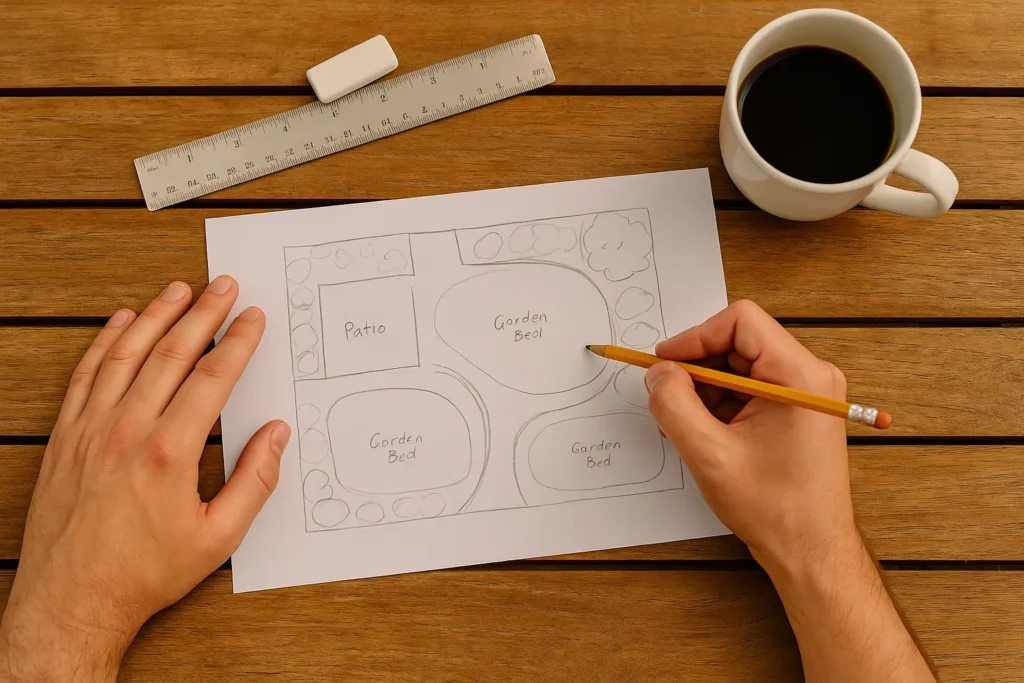
Start by Identifying Priorities for Your Outdoor Design

Before you buy a single chair or plant, write down what you actually want from this space. We’ve seen most people rush into landscaping without a plan, then wonder why their outdoor area feels off.

When you’re working with a small backyard, every choice is important because you don’t have room for mistakes.

Let’s see three decisions that will shape your backyard design:

1. Pick Your Main Purpose

Start with listing what you want first: dining, cooking, lounging, or gardening. Because if you have a family with kids, you need play space and garden beds. Meanwhile, a couple might want an alfresco area with an outdoor kitchen for entertaining guests.

For your information: you can’t fit everything in small backyards. Pick the top two functions and build around those.

2. Map Your Natural Light and Shade

Walk through your yard at different times and note where sunlight lands. This shows you which areas stay cool for seating and which spots get enough light for your potted plants to grow.

You know that the winter sun sits lower, so spots with shade in summer might catch natural light better in colder months.

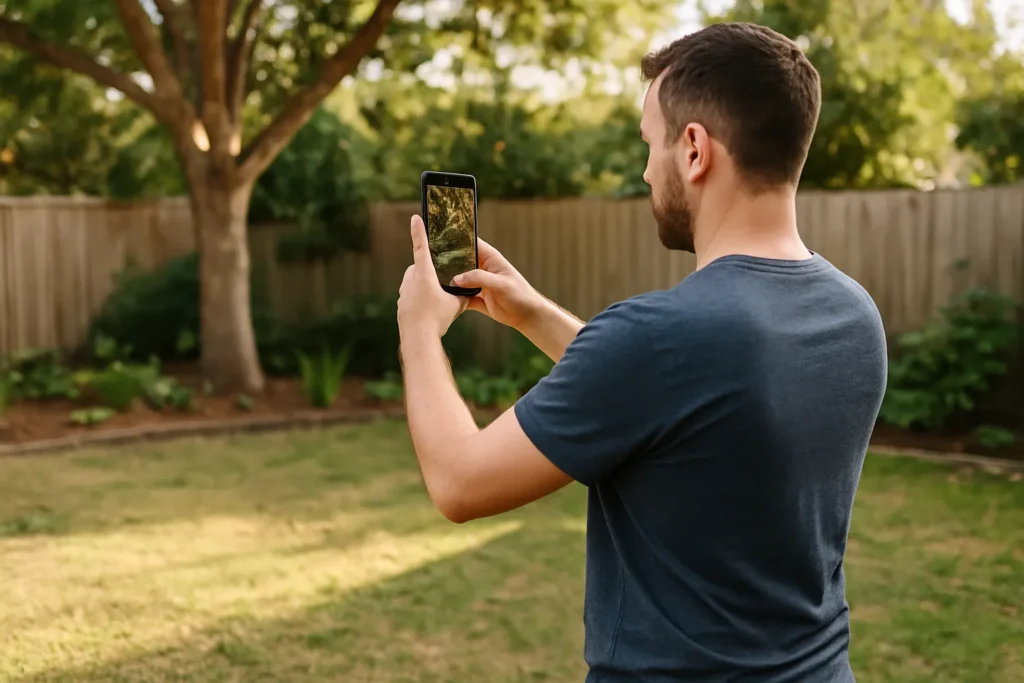
Pro tip: Use your phone to snap photos every few hours, then compare them later.

3. Set a Realistic Budget

You need a realistic budget to buy small essentials, then add features over time gradually. For instance, get your yard sorted first, then add outdoor furniture and landscaping in phases. This process prevents overspending on things you might not use.

So, get these three things sorted before spending your dollar, and the rest are easier to execute.

Creating Outdoor Living Zones in a Small Space

Outdoor Living Zones in a Small Space

Think of your backyard like a studio apartment because every area adds value. Many people treat small outdoor spaces as one big empty room, then wonder why it feels awkward to use. Don’t worry, here is a simple trick: divide your yard into distinct zones, even when you only have a few square metres to organise.

Here are two main zones that cover most of your lifestyles without destroying your style.

Dining and Outdoor Kitchen Area

Outdoor kitchen zones need just two metres to work properly. A small grill station with a prep counter fits along one fence line without eating your whole yard. You can also add a compact dining area with a table and chairs nearby.

If your space is really tight, use a fold-down counter attached to your house. Store your portable grill when you’re not using it. This keeps the area flexible for other activities.

Lounging and Garden Zones

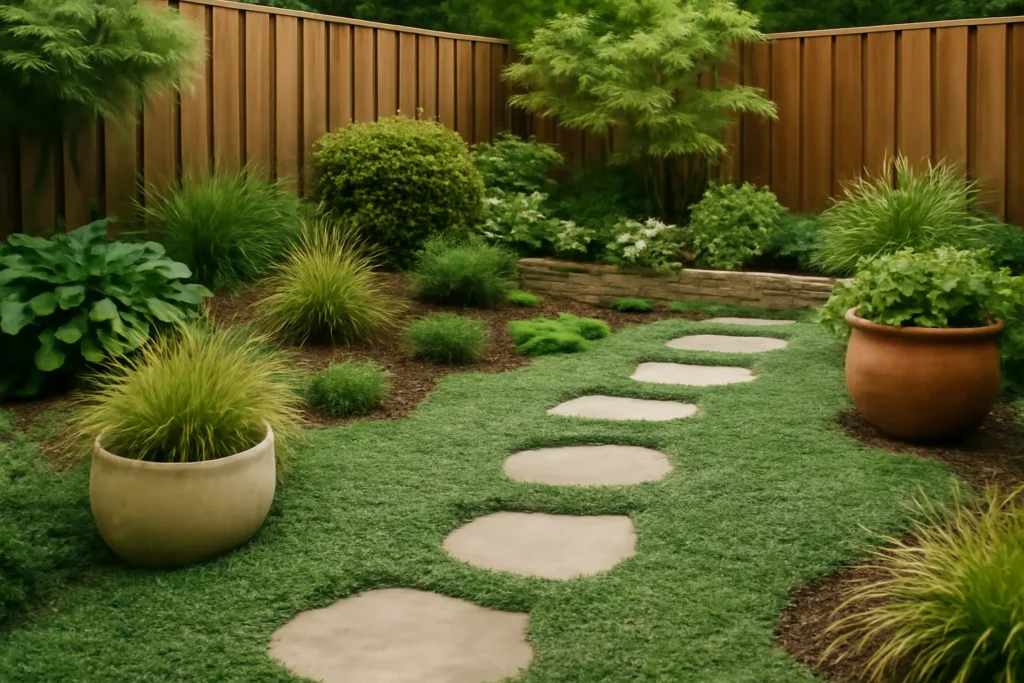
You can split your outdoor area into separate rooms without building walls. A small hedge between your lounge chairs and dining table does this job. Even a single step up or down makes each area feel different.

Pro tip: Keep your zones flexible so they can overlap when you’re entertaining guests or need extra room.

Now that you’ve mapped out your zones, choosing the right materials makes them functional year-round. So, let’s get started with materials.

Materials That Handle Every Season for Your Outdoor Space

Ever walked barefoot on decking in summer and regretted it instantly? Or noticed your pavers cracking after one hard winter? It’s all happening because of the materials you picked.

Trust us! Most of the time, materials determine whether your outdoor space works year-round or sits empty. Getting this right the first time saves you from ripping everything out in two years.

Remember this: When you’re working with a small backyard, you can’t afford to waste money on materials that fail.

You can specifically focus on three material categories that do the heavy lifting on your behalf.

  1. Composite decking stays cool underfoot and needs almost no maintenance. Unlike timber that splinters and rots, composite materials handle wet winters and hot summers without falling apart. They cost more but last decades longer.
  2. Wrong materials crack in winter or overheat during the summer months. Instead, concrete pavers expand and contract with temperature changes. These types of outdoor tiles handle the stress better because they’re designed for weather extremes.
  3. For furniture, powder-coated aluminium beats timber because it doesn’t rot or need your constant care. It also handles the elements without fading or rusting.

Our suggestion is: Pick the right materials once, and you don’t have to replace cracked pavers or rotted furniture in two years.

Small Backyard Ideas for Winter Use

Small Backyard Ideas for Winter Use

Most backyards sit abandoned from November to March because nobody has plans for the cold. But you spend good money creating an outdoor living area, and then it sits empty for four months. (What a waste!). Winter doesn’t have to shut down your yard if you plant accordingly.

The thing is, small spaces actually heat up more easily than the massive ones. So, just a few simple additions make your outdoor space a cosy winter hangout.

A standard fire pit keeps four to six people comfortable on chilly evenings. You can grab a portable one for a few hundred dollars or build a permanent stone version. Besides, propane patio heaters are also good for covered areas.

Windbreaks using screens or hedges trap heat in your space. You can put a two-metre tall screen along your fence line, and it stops cold wind from blowing all the warmth away. Even a basic privacy screen makes a noticeable difference on breezy nights.

If you want a natural option, use Bamboo because it grows fast. It fills in within a couple of seasons. Meanwhile, lattice panels with climbing plants like star jasmine give you instant protection while you wait for permanent fences to grow.

Keeping Your Outdoor Space Cool in Summer

A blazing hot terrace at 2 PM sends everyone indoors. Your outdoor furniture bakes in the sun, and nobody wants to sit outside when it feels like an oven.

The right setup keeps your outdoor area comfortable even in warmer months. You don’t need expensive permanent structures for that.

Shade sails block harsh sun without permanent construction or fuss. These fabric canopies attach to posts and create instant shade over seating areas. They’re affordable, and you can take them down in winter. (Angle your shade sail to cover the dining area during the afternoon heat.)

According to science, light-coloured materials reflect heat instead of absorbing it. So, use shades with lighter colours like cream or grey to cool down faster.

You can arrange your seating area in spots that catch natural breezes. For instance, corner positions get better airflow than areas pressed against the house.

Cool Outdoor Space Idea  in Summer

Storage and Privacy Solutions for Small Yards

Two things ruin small outdoor spaces faster than anything: clutter and nosy neighbours. You can’t do anything about your neighbours, but you can handle the clutter.

Garden tools scattered around, cushions left in the rain, and backyard furniture visible from every angle make you avoid your own yard. That’s why small backyards need solutions that don’t eat up the room.

In this situation, storage and privacy fixes often handle this problem.

Storage keeps your space tidy in these ways:

  • Built-in benches hide cushions, tools, and toys out of sight while giving you seating along fence lines or deck edges.
  • Storage boxes disguised as side tables keep items handy without looking messy.

Quick suggestion: Place storage where you actually use it. For example, grilling tools by the outdoor kitchen, furniture cushions near the seating area.

Privacy solutions block the view of your backyard from outsiders, including these:

  • Place your tall potted plants in a row to create instant privacy without permanent installation.
  • If you use Bamboo or climbing plants, it will fill gaps along fence lines within one season.
  • Vertical gardens give you green space and room to grow herbs on vertical surfaces. They work double duty without wasting your ground space.

So, keep clutter hidden and neighbours out of sight, then your small space finally feels like yours.

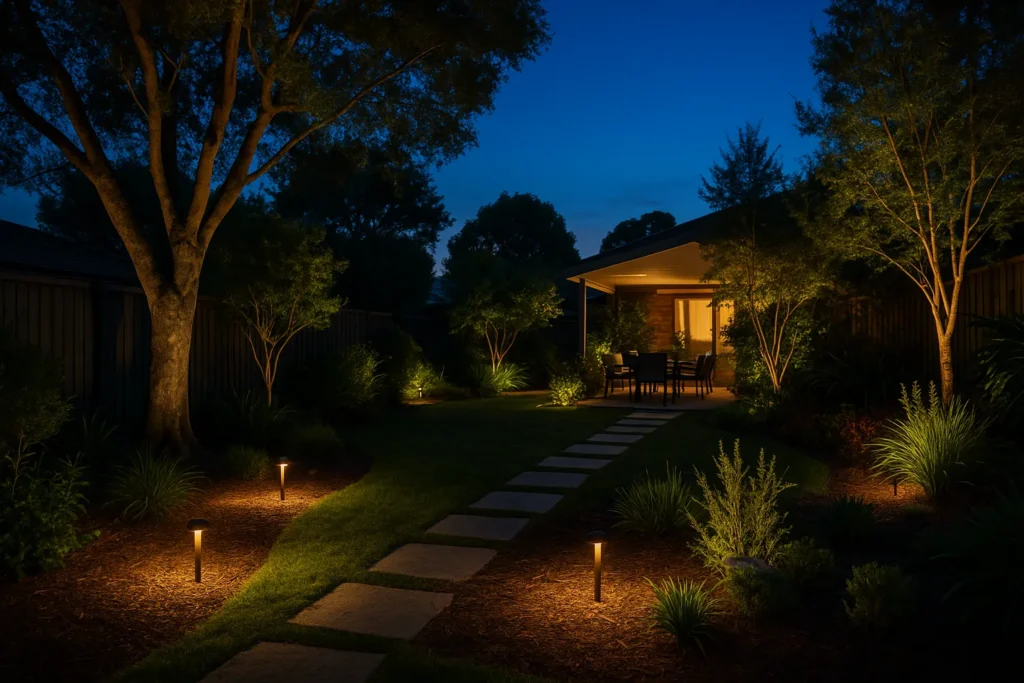
Landscape Design Tip: Lighting Changes Everything

You spent a lot of money on your backyard, so why does it sit dark and unused after 7 PM? Here’s the thing: most people forget about lighting until they realise their outdoor area becomes pointless once the sun goes down.

But your good lighting techniques make a basic yard somewhere you actually enjoy spending time. It extends usable hours from dawn into late evening.

The string lights create ambient lighting that makes the space feel warm. On the other hand, path lights along walkways keep people from tripping over steps. You can also layer string lights with path lights for better safety and ambience.

For a cost-friendly option, there are Solar lights that cost nothing to run throughout the entire year. They charge during the day and turn on automatically at dusk. No electrician needed, no power bills, and you can move them around (which you’ll probably want to do a few times anyway).

Landscape Lighting Design Tip

Your Small Backyard Can Work All Year

A small backyard isn’t your limitation. Instead, it’s easier to heat, cool, and maintain than a massive one. You can create year-round comfort without spending a fortune or dedicating every weekend.

Small doesn’t mean limited when you plan zones and seasons properly. Start with one priority area, then expand as budget allows. This approach lets you test your needs before committing to expensive features.

Ready to turn your small backyard ideas into reality? Visit Peninsula Compost to build the outdoor living space you’ve been planning. We help with everything from landscape design to the finished garden that works year-round.