Landscape design suits complex, high-value projects, while DIY garden projects fit simple updates on a tighter budget. The split comes down to what sits under the surface: drainage, levels and structures you can’t undo cheaply.
The risks aren’t always obvious at first. A weekend of planting carries almost no risk. A sloping block with heavy clay, though, can push costs well past the first estimate. At Peninsula Compost, our landscaping work often starts with understanding the soil and conditions of each site.
This guide walks through the landscape design vs DIY call: what a designer handles, what each route costs, and which jobs suit you. You’ll also see where the line sits, including the permit rule that settles the question for walls. So grab a cuppa, picture your own block, and let’s work out which jobs stay in your hands.
Landscape Design vs DIY: What Separates the Two Approaches?
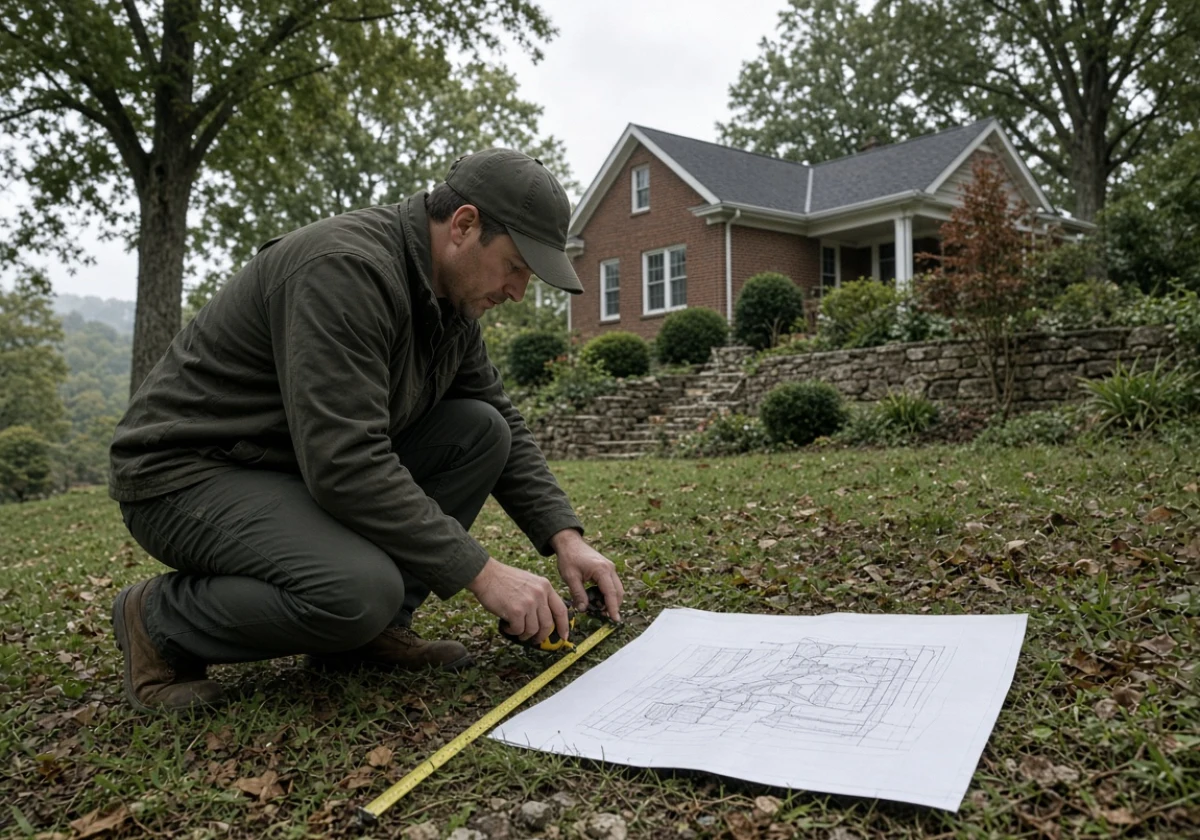
Professional landscaping design covers site planning, drainage and construction, while DIY garden projects handle smaller planting and styling tasks. Paper tells the same story, since professional garden design arrives as scaled drawings someone can price.
Before choosing an approach, compare these three areas to see where each one differs, where they overlap, and how both fit your planning needs:
What a Professional Landscape Designer Brings to Your Project
Good design starts with a plan that reads your block before anything gets built. Designers measure fall, test soil and map shade, then set levels so water runs away from the house.
From there, the design fixes materials, drainage and staging in one document. Two landscape contractors can then quote the same job, so the prices you compare mean something.
Professional landscape designers also sequence the work. Turf and plants wait until the machinery leaves, so you don’t pay for the same lawn twice.
DIY Landscape Design: What a Typical Garden Project Covers
Most DIY projects in the garden stay above ground and stay reversible. Mulching, edging, a new garden bed or a row of shrubs all fit inside a weekend.
You also control the pace, which helps when the money arrives in instalments. You can buy materials for one job at a time instead of paying for everything upfront. As you work through each project, you’ll also learn how your own soil behaves (clay holds water where sand lets it run straight through).
DIY landscape design usually stops where something has to hold weight or hold back water. Paving falls, big steps, and walls sit on the other side of that line.
Where Garden Planning Fits Into Both Approaches
Garden planning belongs to both routes, and it costs nothing but an afternoon. If you’ve ever stood in the yard with a hose, watching where the puddle forms, you’ve already started.
Next, sketch the space to sort the easy jobs from those needing a licensed trade. Mark the wet corners, the shade and the access path for a wheelbarrow or ute.
Think about how you’ll use each part of the garden, too. A sunny spot might suit vegetables, while a shaded corner could work better for seating. Check where existing pipes and underground services run before planning any digging.
We spend our days around soil, and one pattern repeats. Garden planning solves on paper what costs real money to fix once it’s in the ground.
Cost and Time: Comparing Landscaping Services With a DIY Approach
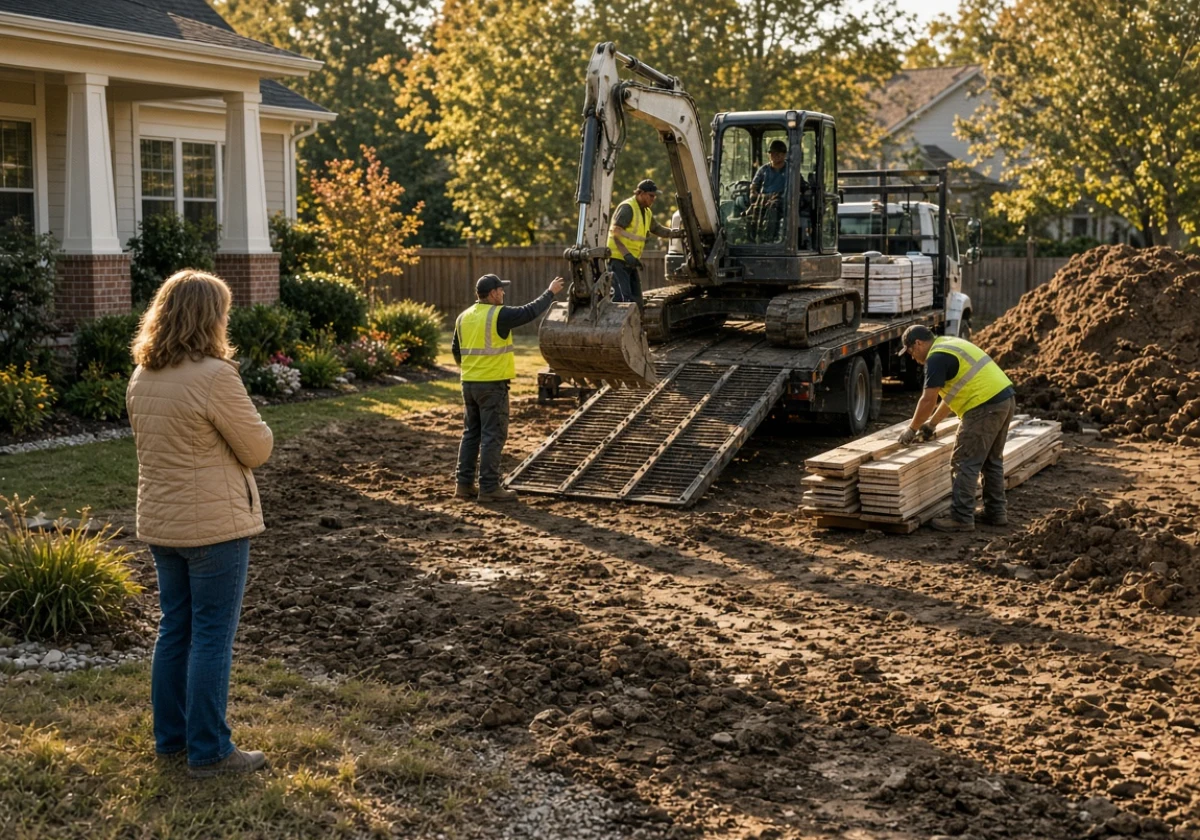
With the scope settled, money decides the rest of the professional landscaping vs DIY question, along with the hours you can spare. Hiring a crew costs more upfront than DIY landscaping, yet botched drainage repairs often erase those savings once water starts pooling against the house. So the true comparison weighs the quote against your weekends and the price of rework.
Here’s how the two routes compare on cost, time, and who carries the risk:
| Factor | Landscaping services | The DIY route |
|---|---|---|
| Upfront cost | Higher, with professional design fees and labour built in | Materials and hire gear only |
| Time to finish | Weeks, on a booked schedule | Weekends, spread across a season |
| Rework risk | The contractor wears it | You wear it |
| Paperwork | Contracts and approvals handled for you | Yours to arrange |
That paperwork row carries more weight in residential landscaping than many people realise. As the price tag climbs, the legal obligations on your builder climb with it. In Victoria, qualifying domestic building work over $10,000 generally requires a written major domestic building contract under Consumer Affairs Victoria rules.
Choosing DIY Projects That Suit Your Skills and Space
Once the budget is clear, the next call is which jobs you keep and which ones you hand over. A DIY approach pays off on work you could redo yourself, because a mistake there costs you time rather than a contractor’s fee.
So the right DIY projects save money and build skills without putting your outdoor space at risk. They also match your skill level and the size of your block, which keeps each job finishable.
Some landscaping jobs are easier to handle yourself, especially when mistakes are cheap to fix. These three tasks are good starting points for beginners:
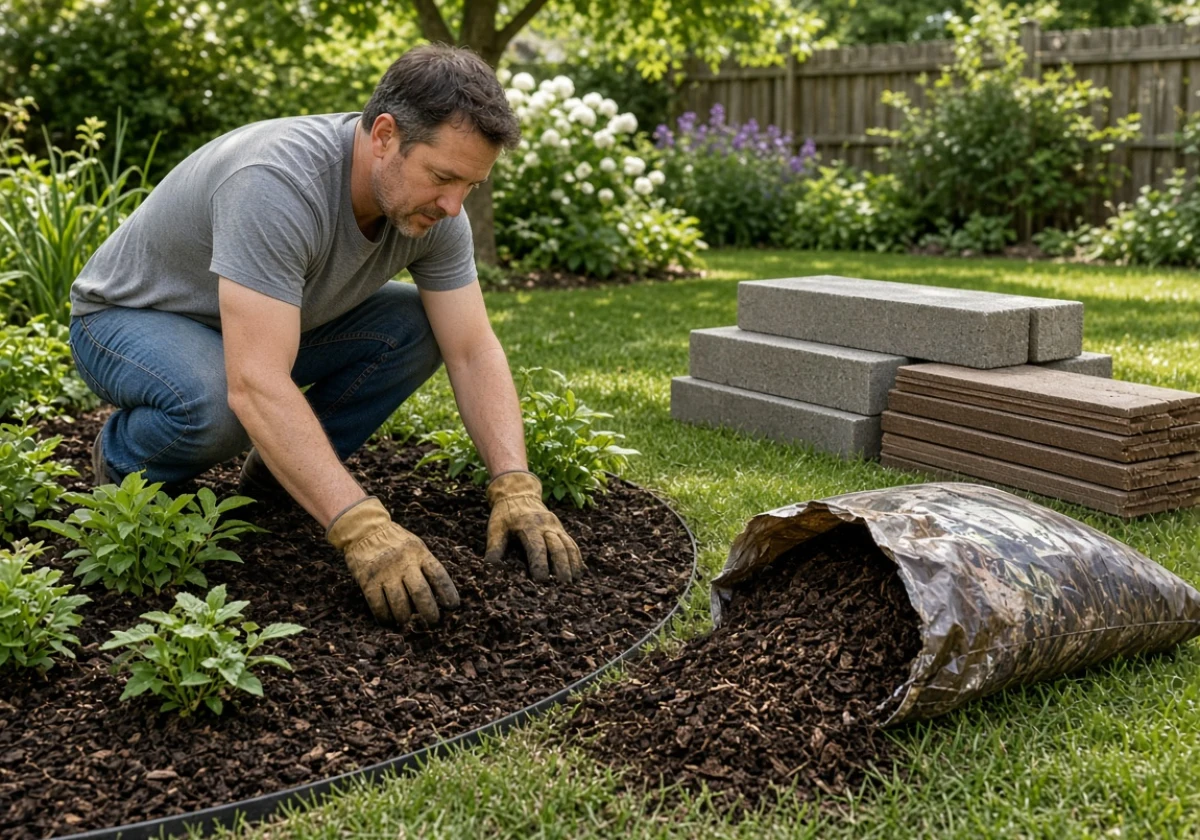
- Mulch and Garden Beds: Spreading mulch and feeding garden beds forgives almost every beginner error. Rake it level, top it up, or shift the lot next season.
- Plants and Lawn Care: Planting shrubs and flowers or caring for your lawn are manageable DIY jobs. Choose plants suited to your soil, mow the grass regularly, and water as needed. If a plant fails or the lawn develops bare patches, you can usually fix the problem yourself.
- Light Edging and Paths: Low timber edging and gravel paths need patience more than skill. Dig a flat base, compact it well, and the finish holds for years.
Start with a project you feel comfortable fixing yourself. If your plans involve drainage, structural supports or council approvals, it’s worth getting professional advice before work begins.
Once you’ve gained some confidence, you could try edging or a small gravel path. However, structural work is best left to experienced professionals, especially when safety, drainage, or council requirements are involved.
Some Garden Projects Are Best Left to a Professional Landscaper
One retaining wall built on poorly prepared soil can cost more to fix than it did to build. Wet soil pushes harder than people picture, and if you’ve watched a sleeper wall bow after a wet winter, you already know. You rebuild from the footings up, and the second attempt always costs more.
Councils set that line, and it varies by area. Moorabool Shire, for example, requires a building permit for retaining walls 1 m or higher. Check your council’s retaining wall rules first, so you don’t buy sleepers twice.
Drainage, paving falls, and anything carrying power or water sit on that same side of the line. Outdoor kitchens, water features and covered outdoor living areas need licensed trades before anyone switches them on (a leak under paving is brutal to find).
We see what skipped soil preparation does to a bed two seasons later, and built structures behave the same way. Hiring professionals, whether for landscape architecture or a professional landscaping team, holds the landscaping work to standard and protects your property value.
So the DIY vs. professional landscaping question splits by consequence rather than budget. Hand over the structural jobs, keep the planting for yourself, and the costly mistakes stop before they start.
Ready to Plan Your Next Outdoor Project?
The choice turns on consequence more than skill. Planting, mulch and lawn care forgive mistakes, while levels, walls and drainage don’t. One wet winter will show you which group your project sits in.
So sketch your space, test your soil, then decide which parts you’ll hand to a trade. That order keeps your budget pointed at the work that truly needs it.
Peninsula Compost offers landscaping services for homeowners planning garden improvements and outdoor projects. Contact our team to discuss your plans before work begins.