There’s something about a well-designed garden that stops you in your tracks. You walk outside, feel the fresh air, and your shoulders drop without even trying. That’s not a coincidence. To be honest, that’s exactly what good garden design is supposed to feel like.
Outdoor spaces influence how we live day to day. Layout, planting choices, and the way light moves through the yard all play a role. These details affect your mood, your motivation, and how often you step outside.
Most homeowners only feel the contrast once they experience a space that’s been properly planned. This article breaks down that connection and shows what a difference the right design approach makes.
So without further ado, let’s start with the basics.
How Your Backyard Influences Your Mood on a Daily Basis
Your outdoor space directly influences how you feel by giving your mind a place to slow down and recover. The effect shows up quickly, even on the hardest days.
Stepping outside for just 15 minutes in a well-considered garden starts lowering cortisol levels (your body’s built-in stress response). You sit, hear the birds, feel the breeze, and something shifts. Sounds familiar? Many people notice it but never link it back to the space itself.
A daily walk through a well-planted backyard, or simply time spent among greenery, reduces anxiety and restores energy faster than most indoor activities. It’s genuinely a breath of fresh air. Research also links regular time in nature to measurable drops in depression and improved sleep quality.
A neglected yard works against all of that. Clutter, dead plants, and wasted space feed restlessness rather than calm. You might even find yourself avoiding the backyard altogether without knowing why.
Garden Design: Where Good Outdoor Spaces Begin
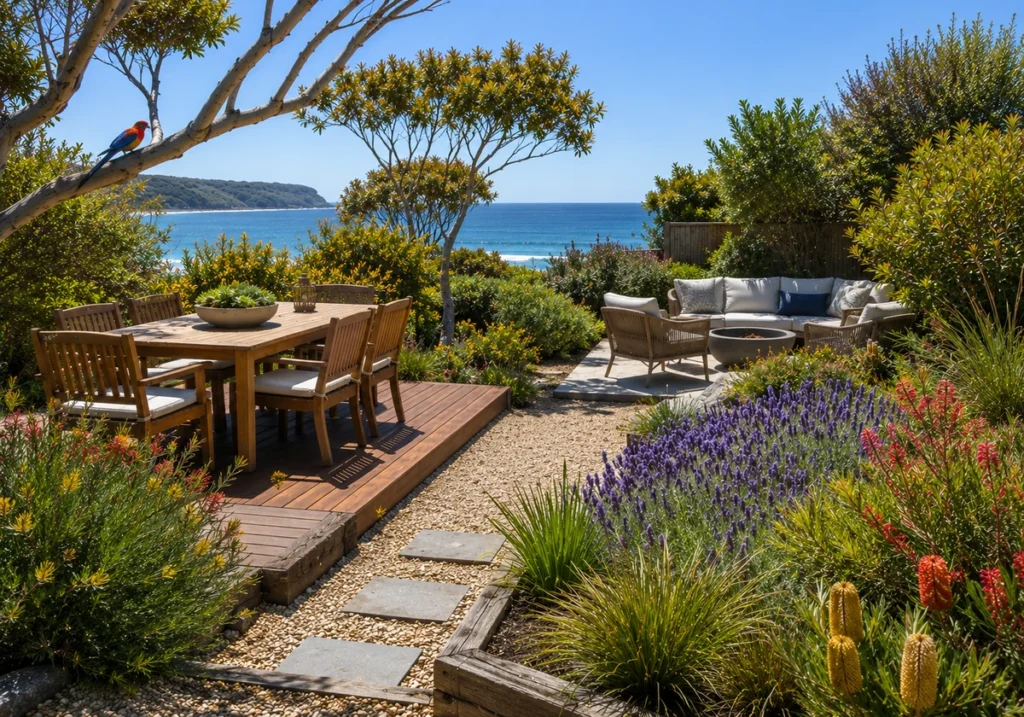
Good garden design starts with understanding how you want to use your space. A yard built for weekend entertaining looks completely different from one designed for daily relaxation. That’s why getting clear on your purpose first saves a lot of costly rework later.
These two fundamentals will point you in the right direction.
Getting the Layout Right From the Start
If you want a garden that gets used, layout is the first thing to get right. Think of it like rooms in a house (each one has a job to do). When you divide the property into a dining zone, a lounging area, and planting beds along the fencing line, the whole yard seems more purposeful.
On the other hand, poor layout creates dead zones that nobody visits. In fact, most wasted yards aren’t short on space. They’re short on intention. Zoning your landscape, even in a compact area, brings a creative energy that a formless garden simply can’t deliver.
And for families, clearly defined zones mean every family member has somewhere that feels like theirs. That kind of joy is worth planning for.
Choosing Plants That Belong in Your Climate
Climate-appropriate plants need far less watering, feeding, and work to maintain long-term. After years of working across Mornington Peninsula properties, the team at Peninsula Compost has seen firsthand how well natives perform here.
Banksias, grevilleas, lomandras, and even lavender handle the coastal conditions without complaint. They also support local wildlife, which adds another layer of life to the garden.
That said, picking trees and shrubs that suit your soil type and sun exposure from the start prevents the most common planting failures. It’s solid food for thought before you spend a cent on plants. For a deeper look at keeping things manageable, low-maintenance landscaping is a worthwhile read before you finalise any planting plan.
Landscape Architecture vs. DIY: Honest Pros and Cons
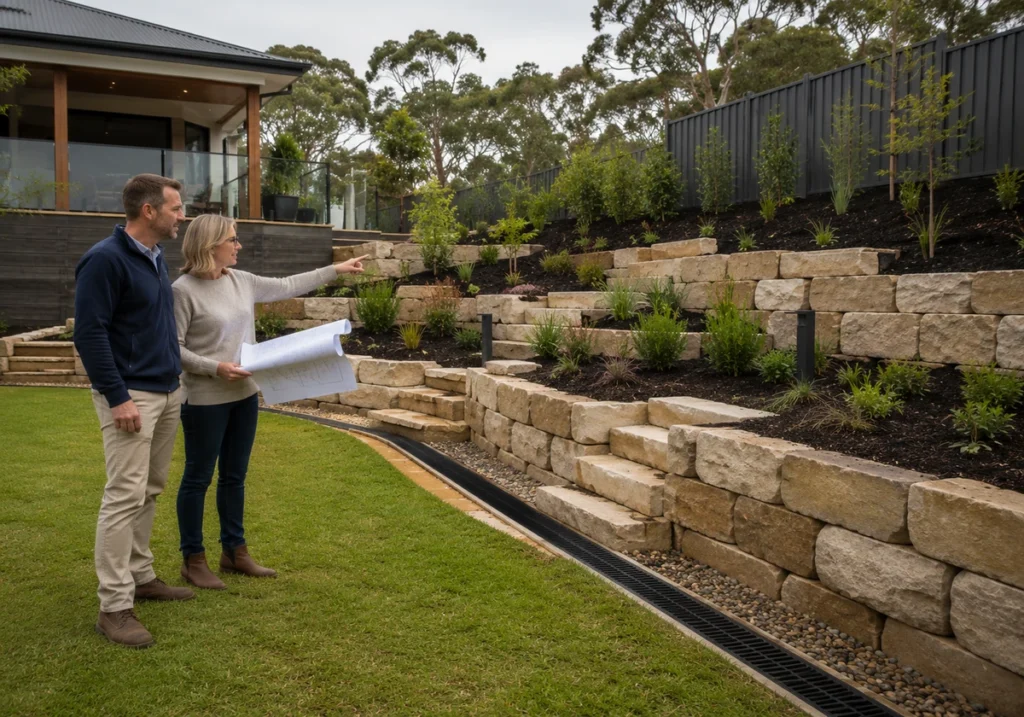
Both options can deliver results, but the right choice depends on your budget, skill level, and what the project actually involves. Here’s an honest side-by-side breakdown:
| Landscape Architect | DIY | |
| Cost | Higher upfront investment | Lower initial spend |
| Expertise | Drainage, soil, construction, structure | Surface-level changes |
| Best For | Complex or large-scale projects | Small cosmetic updates |
| Risk | Low; a professional handles every detail | Higher; errors compound |
| Long-term Value | Strong; rests on solid foundations | Variable; depends on skill |
Landscape architects contribute specialist expertise in drainage, soil conditions, structural requirements, and visual design. They assess each of these before a single plant goes in. That level of detail separates a garden that lasts from one that needs constant fixing.
DIY, on the other hand, handles cosmetic changes well. New mulch, a fresh garden bed, and some potted plants along a path are all completely manageable.
However, the moment levels, irrigation, or construction come into play, the job becomes a different beast entirely. And if you make mistakes at that stage, fixing them gets expensive (poor drainage fixes rarely come cheap).
Bottom Line: DIY is a safe bet when your changes are cosmetic and contained. But if you plan to tackle anything structural, get professional guidance from the start. The cost of good advice is nothing compared to the cost of undoing poor work.
What Urban Design Pressure Does to Your Need for Green Space
Australian cities are getting denser, and private backyards are shrinking fast. Dr Tony Matthews, an urban planner at Griffith University, put it plainly: the backyard has become accessible only to those who can afford it. Smaller lots and tighter streetscapes are the new normal.
Even so, the desire for private green space hasn’t faded. According to research, 60% of Melbourne and Sydney residents still want a detached house and yard. That’s down from 90% in the early 1990s, but it’s still the majority. Holding onto that patch of nature, though, is getting harder.
So what fills the gap? For some, it’s a bush walk, a swim at the beach, or cycling through a local park. A community garden visit helps too. All worthwhile options, but none of them replaces stepping outside your back door on a Tuesday morning. A local park requires a walk. Your garden requires nothing but the door handle.
That’s the real weight of urban design pressure. It’s a wake-up call for anyone sitting on an underused yard. And it leads directly to the question of what a garden renovation can change.
Garden Renovation: What Changes and What Doesn’t
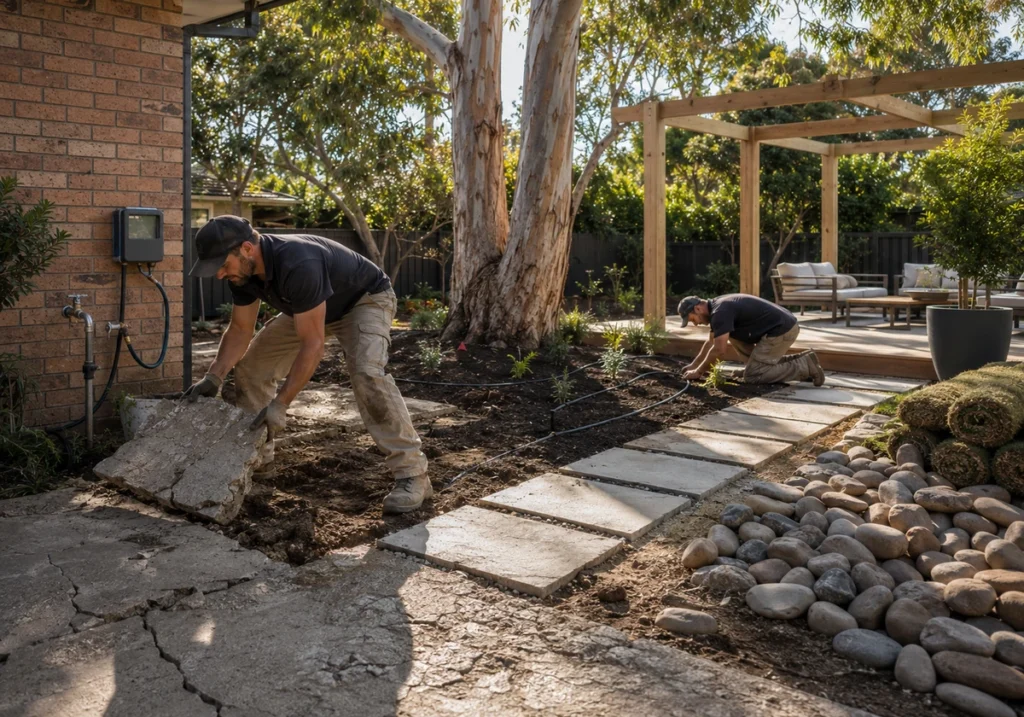
Most homeowners forget that a garden renovation doesn’t mean tearing everything out. Good bones are often already there. You just need to know what to look for and what to let go of.
A well-planned renovation typically addresses these three things:
- Updated Surfaces and Shade: Worn paving, exposed soil, and zero shade make a yard seem harsh and uninviting. Updating these elements alone produces significant changes to how the space feels and functions daily.
- Irrigation and Water Management: A proper irrigation setup pays for itself on any garden project. It keeps plants healthy without demanding your time, and maintains soil condition through dry Australian summers.
- Purpose and Zone Reassessment: Lifestyles shift over time. The way your household uses the yard today likely looks nothing like it did five years ago. That’s why reassessing the purpose of each area before committing to new planting or construction saves time and money down the track.
From what we’ve seen across dozens of renovation projects, the real wins come from completing an honest audit of the existing space first. Peninsula Compost offers exactly that and helps you identify what to keep and where a fresh start will deliver the most value.
Ready to Rethink Your Outdoor Space?
A well-designed garden improves how you sleep, how you feel after work, and how often your family steps outside together. That kind of impact adds up in ways you feel every single day.
In the long run, the gardens that improve lives are rarely the most expensive ones. They’re the ones built with a clear purpose, plants that belong in the climate, and a layout that fits the household’s routine.
If you’re ready to build an outdoor space that supports your wellbeing, Peninsula Compost can help you get there. We’ve spent over 20 years helping homeowners create gardens that improve everyday life on the Mornington Peninsula.
Get in touch with our team today.
FAQs
Here are the questions we hear most often about garden design and outdoor wellbeing:
Does Landscape Design Help With Lowering Stress Levels Long-Term?
Good landscape design builds a sense of calm that compounds over time. In fact, spending time in a well-designed garden keeps lowering stress levels consistently, rather than just after a hard day.
Thoughtful plant placement, shade, and flow deliver those solutions without expensive features.
Can You Exercise Outdoors Effectively in a Small Backyard?
A neat backyard offers more exercise outdoors options than its size suggests. A yoga deck, a walking path, or an open lawn all support daily movement without needing a large footprint.
Even a compact space can support a genuine fitness routine without leaving home. That’s a challenge good design solves well, one small decision at a time.
How Does a Garden Build a Strong Connection Between Family Members?
Spending time together in a shared garden naturally strengthens bonds between family members.
A well-considered outdoor space gives everyone something to explore, from a vegetable bed to an open lawn for an outdoor event. That feeling of belonging the space creates is one of the most underrated benefits of good design.